Smite 2 for Beginners: Third-Person MOBA Basics
New to Smite 2? Learn what makes the third-person MOBA different, how Conquest and the roles work, how items and Aspects fit in, and which modes to try first.
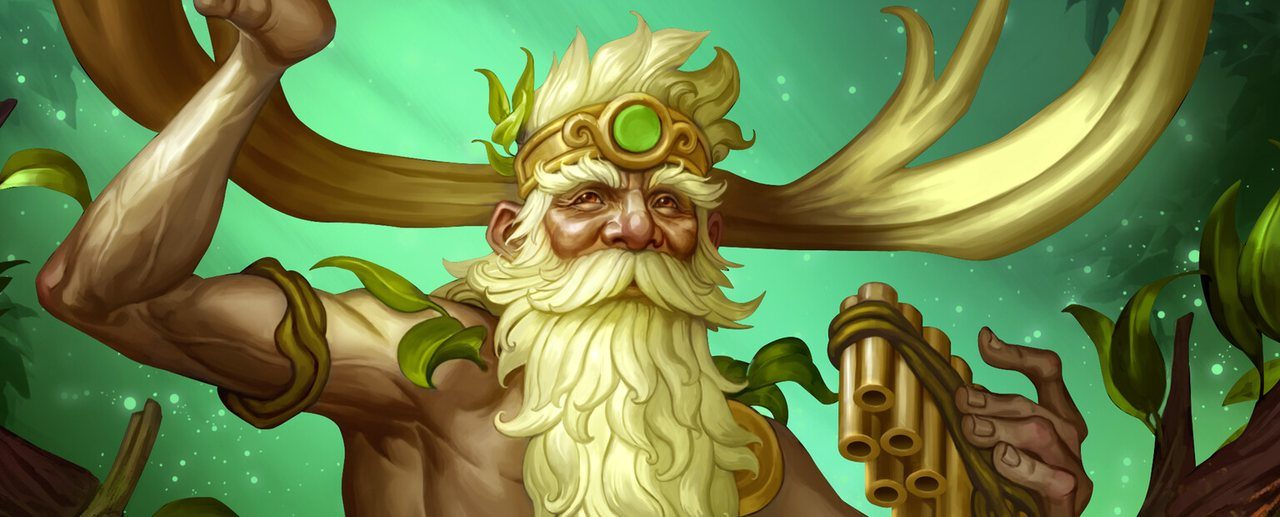
Smite 2 takes the familiar structure of a MOBA, two teams, lanes, minions, towers and a final objective, and puts the camera directly behind your character. Instead of clicking on the ground from above, you move with the keyboard or a controller stick and aim every ability yourself. Your heroes are gods and mythological figures from cultures around the world. That mix makes it feel quite different from League of Legends or Dota 2, even though the strategic ideas underneath are closely related.
This guide covers the basics a new player needs: what sets Smite apart, how the release unfolded, how Conquest works, what the roles do, and how items and Aspects shape your god. If you are new to the genre itself, our introduction to what a MOBA is explains the shared foundations.
What Makes Smite Different
Three things define the Smite series.
- The third-person camera. You see the battlefield from behind your god, so your view is limited to what is in front of you. Enemies can approach from the side or behind without you noticing, which makes awareness and sound cues important in a way top-down MOBAs do not demand.
- Skill-shot abilities. Most abilities are aimed rather than targeted. Projectiles, cones and ground-targeted areas must be pointed at where an enemy is going to be. Basic attacks are aimed too: you shoot or swing in the direction you face, so even auto-attacks can miss.
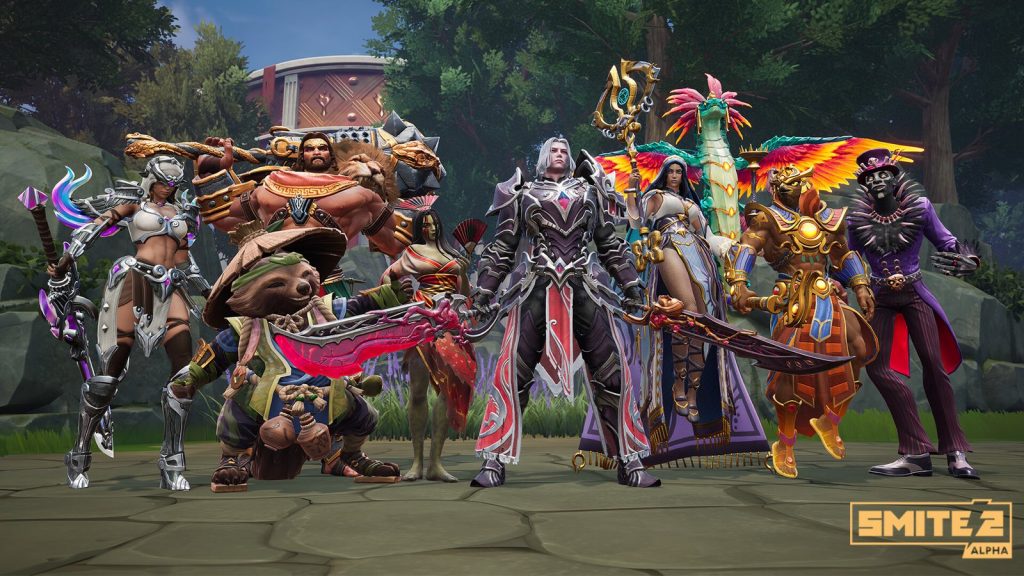
- Gods from world mythology. Instead of original fantasy characters, Smite’s roster is built from mythologies and pantheons such as Greek, Norse, Egyptian, Chinese, Hindu and many others. Zeus, Anubis and Loki are among the familiar names.
The result is a MOBA where mechanical aiming matters a great deal, which tends to appeal to players coming from action games and shooters.
From Smite to Smite 2
The original Smite, developed by Titan Forge Games and published by Hi-Rez Studios, launched on Windows on March 25, 2014, after almost two years of beta testing. It later arrived on Xbox One, PlayStation 4 and Nintendo Switch.
Smite 2 is a rebuild of the game on Unreal Engine 5. It was announced in January 2024, ran alpha test weekends from May 2024, and moved into a paid early access period for Founder’s Edition owners later that year. On January 14, 2025, Smite 2 became free-to-play as an open beta. In February 2025, Titan Forge announced it would end development of the original Smite to focus on the sequel.
As of 2026, Smite 2 is free to play on PC (through Steam and the Epic Games Store), PlayStation 5 and Xbox Series X|S, with cross-play and cross-progression between platforms according to the official site. Updates are still numbered as open beta patches, and the roster is growing; the community wiki listed 93 gods in October 2026.
Conquest: The Main Mode
Conquest is Smite 2’s flagship mode and the one most similar to other MOBAs. Two teams of five start in opposite bases connected by three lanes, with a jungle in between. The goal is to destroy the enemy Titan, a giant guardian inside the enemy base.
Along the way you encounter:
- Minion waves that march down each lane and fight enemy minions and structures.
- Towers protecting each lane, followed by Phoenixes, which guard the base. Destroying a Phoenix lets your team spawn stronger minions in that lane.
- Jungle camps that give gold, experience and buffs.
- Epic objectives such as the Gold Fury and the Fire Giant, which grant powerful rewards to the team that kills them.
Smite 2’s Conquest map has been reworked compared with the original game. Changes shown during the alpha included siege minions that join waves over time, tower bounties that drop gold when tower segments are damaged, side-lane teleporters and a reworked Gold Fury and Fire Giant. As with any live MOBA, the exact details continue to be tuned.
Roles in Conquest
Conquest has five standard roles, similar to League of Legends.
| Role | Where | Job | Typical classes |
|---|---|---|---|
| Solo | The long side lane | Hold a lane alone, survive pressure, join fights later | Warriors, some Guardians and Mages |
| Jungle | Between lanes | Clear camps, gank lanes, lead objectives | Assassins, some Warriors |
| Mid | The middle lane | Clear waves quickly, rotate to other lanes, deal ability damage | Mages |
| Support | Duo lane with the carry | Protect the carry, start fights, provide vision | Guardians |
| Carry | Duo lane | Farm safely, become the main sustained damage dealer | Hunters, some Mages |
Smite organizes gods into five classes: Assassin, Guardian, Hunter, Mage and Warrior. Classes are guidelines, not rules, and Smite 2’s flexible item system makes it easier for a god to fit outside its usual role. If you want to understand how the jungle role works in MOBAs in general, our explainer on what a jungler does covers ganks, clear paths and objective control.
Items, Strength and Intelligence
Smite 2’s most important system change is how damage and items work.
In the original Smite, gods were either physical or magical, and each could only buy items from its half of the shop. Smite 2 removes that split. Any god can buy any item, and offensive items grant two stats instead:
- Strength, which mainly boosts basic attacks and abilities that scale with it.
- Intelligence, which mainly boosts ability damage.
Each ability lists the stats it scales with, and the type of damage it deals depends on the ability rather than the god. A single god can therefore be built toward basic attacks, abilities or a hybrid of both.
For beginners, this flexibility can be overwhelming, so Smite 2 offers auto-build and auto-level options that pick items and ability upgrades for you. Using them for your first games is sensible. As you learn, start looking at what each item does and why it is recommended, the same way you would in any MOBA.
Other basics to know: you earn gold from minions, jungle camps, kills and objectives; you return to base to shop; and items come in tiers, with cheaper components building into stronger finished items.
Aspects: Optional Twists on a God
Aspects are optional, god-specific modifiers you can turn on before a match. An Aspect changes part of a god’s kit, often reworking one ability, and can push the god toward a different role or playstyle. A god that normally plays solo lane might lean toward support or jungle with its Aspect active.
Not every god has an Aspect, and they are not required. As a beginner, play a god’s standard kit first, then try the Aspect once you understand what it changes. Aspects are a neat way to learn more about a god without needing to master a new one.
Game Modes for New Players
Conquest is the main event, but Smite 2 offers several other modes that are helpful while learning. According to the community-maintained Smite 2 wiki, the main modes as of 2026 include:
- Arena: 5v5 on a small oval map with no lanes. Each team starts with a pool of tickets, and kills and minions reduce the enemy’s total. Fast, fight-heavy and great for learning abilities.
- Joust: 3v3 on a single lane, a smaller-scale version of Conquest.
- Duel: a 1v1 version of Joust.
- Assault: 5v5 on one lane with a random god for every player, good for trying many gods.
- Versus AI versions of Conquest, Arena and Joust, plus a Tutorial and a Practice mode where you can test any god.
Ranked Conquest requires reaching account level 15, so you will have time to learn the basics in unranked play first.
Tips for Your First Matches
- Start with the Tutorial and a few bot games. The third-person controls take time to get used to, especially aiming basic attacks.
- Pick a forgiving god. Gods with simple, reliable abilities and some durability let you focus on positioning rather than precise combos.
- Use auto-build at first. Learn what the recommended items do before experimenting.
- Rotate your camera often. Look around before committing to a fight. Many deaths in Smite come from enemies you could not see.
- Last hit minions. Gold rewards favor the player who secures the kill, and wave control matters as much as in any MOBA.
- Respect towers early. Diving under an enemy tower is usually a mistake until you have a clear advantage.
- Group for objectives. The Gold Fury and Fire Giant are team efforts.
Common Beginner Questions
Is Smite 2 hard to learn?
It has a learning curve like every MOBA, but its accessibility features, such as auto-build, make the first steps easier than in the original game. The aiming takes the most practice.
Do I need to know mythology?
No, although many players enjoy recognizing how a god’s abilities reflect its myths. Learning gods is about their kits, not their stories.
Can I play with a controller?
Yes. Smite 2 supports both keyboard and mouse and controllers, and it runs on consoles with cross-play.
I played the original Smite. Does my account carry over?
Not directly, because Smite 2 is a separate game built in a new engine. Hi-Rez set up a Legacy system that rewards players for their history in the original game, including converting gems spent there into a Smite 2 currency. Check the official site for the current terms, since the publisher sets and can change them.
Where did Smite fit in the history of MOBAs?
Smite showed that the MOBA formula could work with a behind-the-back camera, years before newer third-person games experimented with the idea. Our history of the MOBA genre puts it in context.