Deadlock Explained: How Valve’s Third-Person MOBA Works
Deadlock mixes third-person shooting with MOBA lanes, troopers and a souls economy. Here is how Valve's 6v6 game works and how to get access in 2026.
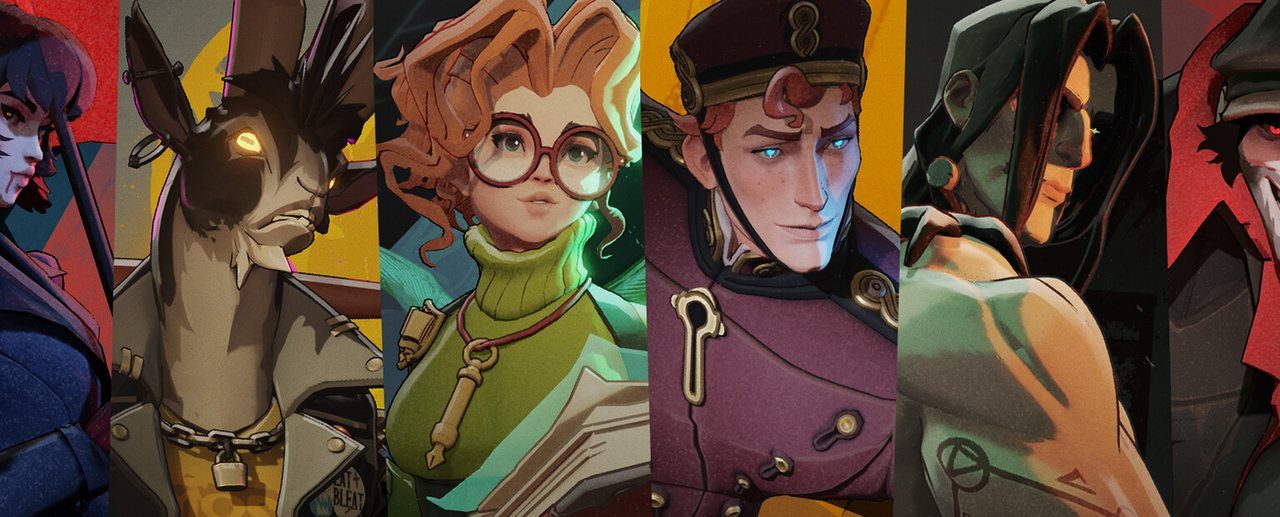
Deadlock looks like a hero shooter at first glance. You run around in third person, aim with the mouse, reload your gun and dash along ziplines. Spend a few minutes in a match, though, and the structure underneath becomes obvious: lanes of computer-controlled minions, defensive structures guarding each lane, a currency you earn by killing those minions, a shop full of items, and an enemy base you have to break into. It is a MOBA wearing a shooter’s clothes, and that combination is what makes it unusual.
This guide explains how Deadlock is put together, how a match flows, and how it compares to traditional top-down MOBAs. Because the game is still in development, details change often, so everything here is described as of October 2026.
What Deadlock Is and Where It Stands
Deadlock is developed and published by Valve, the company behind Dota 2. It had leaked publicly in spring 2024 and was officially acknowledged in August 2024, when Valve put up a Steam page and allowed players to talk about it openly. Before that it had been tested privately under strict confidentiality.
As of 2026 the game is still not formally released. It remains in an invite-based testing phase: there is no open “buy” or “play” button for the general public, but existing players can invite friends through Steam, and invites are shared widely. It runs on Windows PC. Valve has not announced a release date, a price model or console versions, so treat any claims about those as speculation.
Development has been visibly iterative. The original map had four lanes; a February 2025 update cut that to three. A May 2025 update reworked the shop and items, the visual style was overhauled in August 2025, and a September 2026 update overhauled the map again with new creature types and biomes. Expect the specifics in any guide, including this one, to drift over time.
The Basic Format: 6v6 in Lanes
A standard Deadlock match pits two teams of six players against each other. That is one more player per side than League of Legends or Dota 2, and the extra body matters, because teams routinely split into pairs or small groups to cover lanes.
Each player controls a hero from a roster of dozens, each with a unique gun and four abilities. Heroes start weak and grow stronger as they collect souls, unlock abilities and buy items. The match ends when one team destroys the other team’s Patron, the core structure inside each base.
Between the bases run the lanes. Waves of AI soldiers called troopers march down each lane and fight the enemy troopers and structures, just like creeps in Dota or minions in League. The terrain between the lanes is not empty jungle in the top-down sense; it is a dense city with rooftops, alleys, stairways and ziplines, which gives the game a strong vertical element no top-down MOBA has.
If the general vocabulary of lanes, waves and bases is new to you, our explainer on what a MOBA is covers the genre basics.
Structures and Objectives
To reach the enemy Patron, a team has to push through a series of defenses. The main ones, roughly in the order you encounter them, are:
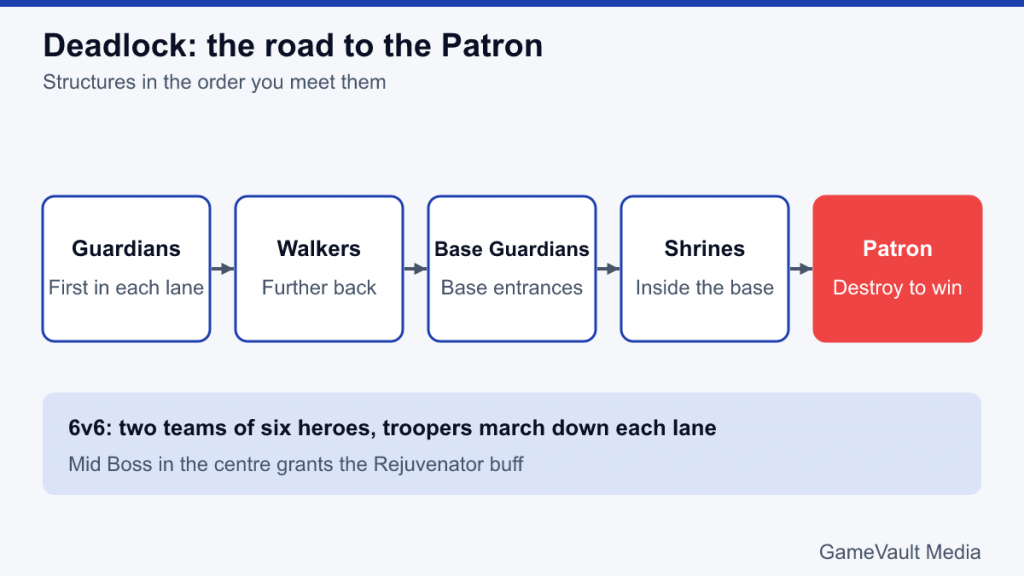
| Objective | Where it is | What it does |
|---|---|---|
| Guardians | The first defensive structure in each lane | Protect the lane early and punish players who push too far alone |
| Walkers | Further back in each lane | Large, heavily armored defenders with powerful attacks; a major milestone when destroyed |
| Base Guardians | At the entrances to the base | The last line before the base interior |
| Shrines | Inside the base | Must be destroyed before the Patron becomes vulnerable |
| Patron | The heart of each base | The final objective; destroying it wins the match |
Besides the lane structures, the map contains neutral objectives. Neutral creature camps can be cleared for souls, soul urns can be carried for a payout, and the Mid Boss in the center of the map grants the team that kills it the Rejuvenator, a powerful buff that, among other things, lets fallen teammates come back into the fight. The Mid Boss plays a role similar to Baron Nashor in League or Roshan in Dota: a big, contestable prize that can decide the late game.
Souls: Deadlock’s Economy
The currency in Deadlock is called souls. It serves the purpose of both gold and experience in other MOBAs. Souls are used to buy items, and accumulating them also unlocks ability points that improve your hero’s abilities.
You earn souls from several sources:
- Troopers. When a trooper dies, its soul appears as a small orb. Shooting that orb secures the full amount for you, which is Deadlock’s take on last hitting.
- Denying. You can also shoot the orb of a dying allied trooper to deny it, reducing what the enemy gains, similar to denying in Dota 2.
- Neutral camps scattered between lanes.
- Hero kills and assists.
- Objectives such as destroying Guardians and Walkers, plus urns and other map bonuses.
The trooper orb mechanic is an elegant translation of a classic MOBA skill into a shooter. Instead of timing a single attack to land the killing blow, you have to aim at a small moving target, which rewards mechanical precision in a different way than Dota or League.
Items and Abilities
Deadlock’s shop sorts items into three categories, each tied to a color:
- Weapon items improve gun damage, fire rate, ammo, and related effects.
- Vitality items add health, regeneration, resistances and survivability.
- Spirit items boost ability damage and cooldowns and generally power up your four abilities.
Items come in tiers of increasing cost, and many have active effects such as short teleports, cleanses, silences or shields. Most heroes lean toward one category for damage, either guns or abilities, and use Vitality items to stay alive. You have a limited number of item slots, so later in the game the question becomes which cheaper items to sell or replace.
Each hero has four abilities; the fourth is a powerful ultimate. Abilities are unlocked and upgraded with points earned as your soul total grows. Deciding which ability to unlock and upgrade first is one of the main build decisions alongside items.
Because the shop was reworked in 2025 and items are tuned frequently, it is best to learn categories and roles rather than memorizing a specific build.
Movement and Shooting
The shooter half of Deadlock is not decoration. Heroes have stamina that powers dashes and air movement, there are slides and wall jumps, and ziplines run along every lane so players can quickly return to the front after respawning or shopping. Aim matters: weapon damage depends on hitting targets, and headshots on heroes deal extra damage.
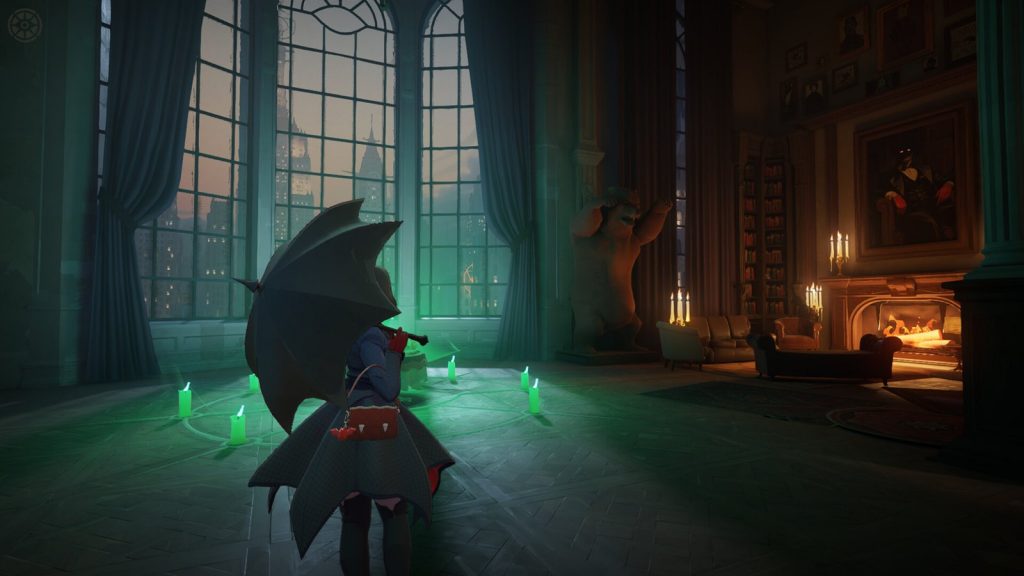
This creates a different skill profile from top-down MOBAs. In League or Dota, mechanical skill is mostly about clicking precisely and timing abilities. In Deadlock it also includes tracking moving targets, managing ammo and reloads, and using vertical terrain to escape or ambush. Players coming from shooters often find the moment-to-moment combat familiar while the strategic layer feels new; MOBA players experience the reverse.
How Deadlock Differs From League and Dota
| Aspect | Deadlock | League of Legends / Dota 2 |
|---|---|---|
| Camera | Third-person, over the shoulder | Top-down isometric |
| Team size | 6 vs 6 | 5 vs 5 |
| Lanes | Three (as of 2026) | Three |
| Combat | Aimed gunfire plus four abilities | Auto-attacks plus abilities |
| Currency | Souls (buy items and unlock ability points) | Gold for items, separate experience for levels |
| Last hitting | Shoot the soul orb of a dying trooper | Land the killing blow on a creep or minion |
| Map | Vertical city with rooftops and ziplines | Flat terrain with jungle and river |
There are also smaller differences. Deadlock’s structures behave more like bosses with abilities than the simple turrets of League. Map vision works through line of sight in a 3D city rather than through ward placement on a flat map. And because each hero’s gun is always available, there is less “waiting for cooldowns” than in a top-down MOBA where most damage comes from abilities.
Historically, Deadlock sits in a line of games that tried to bring MOBA ideas into a third-person or shooter perspective. Smite showed that a behind-the-back camera could work for a lane-based game, and several hero shooters borrowed MOBA-style abilities. Our history of the MOBA genre traces how the format got here.
Getting Started: Tips for New Players
- Practice before ranked pressure. Use the client’s practice and bot options to learn movement and the soul orb timing before worrying about results.
- Prioritize souls over kills early. As in every MOBA, steady farming beats risky fights. Securing trooper orbs and denying enemy orbs adds up quickly.
- Respect Guardians. Early structures hit hard. Do not chase opponents under them.
- Use ziplines. They are the fastest way back to lane. Standing still in base after shopping wastes time.
- Pick one item category focus. Decide whether your hero wants Weapon or Spirit power and lean into it, with Vitality items for survival.
- Watch the minimap and team positions. With six players per team, enemies grouping on one lane can overwhelm a solo defender very fast.
- Contest the Mid Boss as a team. Going alone is rarely worth it; the reward is meant for groups.
Common Questions
Is Deadlock free?
As of October 2026 you need an invite to play, but there is no charge for access during testing. Valve has not announced how the game will be monetized at release.
Is Deadlock a shooter or a MOBA?
Both. Combat feels like a third-person shooter, but the objectives, lanes, minion waves, economy and items follow MOBA conventions. If you know Dota 2, our Dota 2 beginner’s guide covers concepts such as denying and high ground that carry over surprisingly well.
Will the game change a lot?
Almost certainly. Valve has already changed the lane count, reworked the shop and redone the art and map. That is part of the appeal for many players, but it also means detailed guides go out of date quickly.