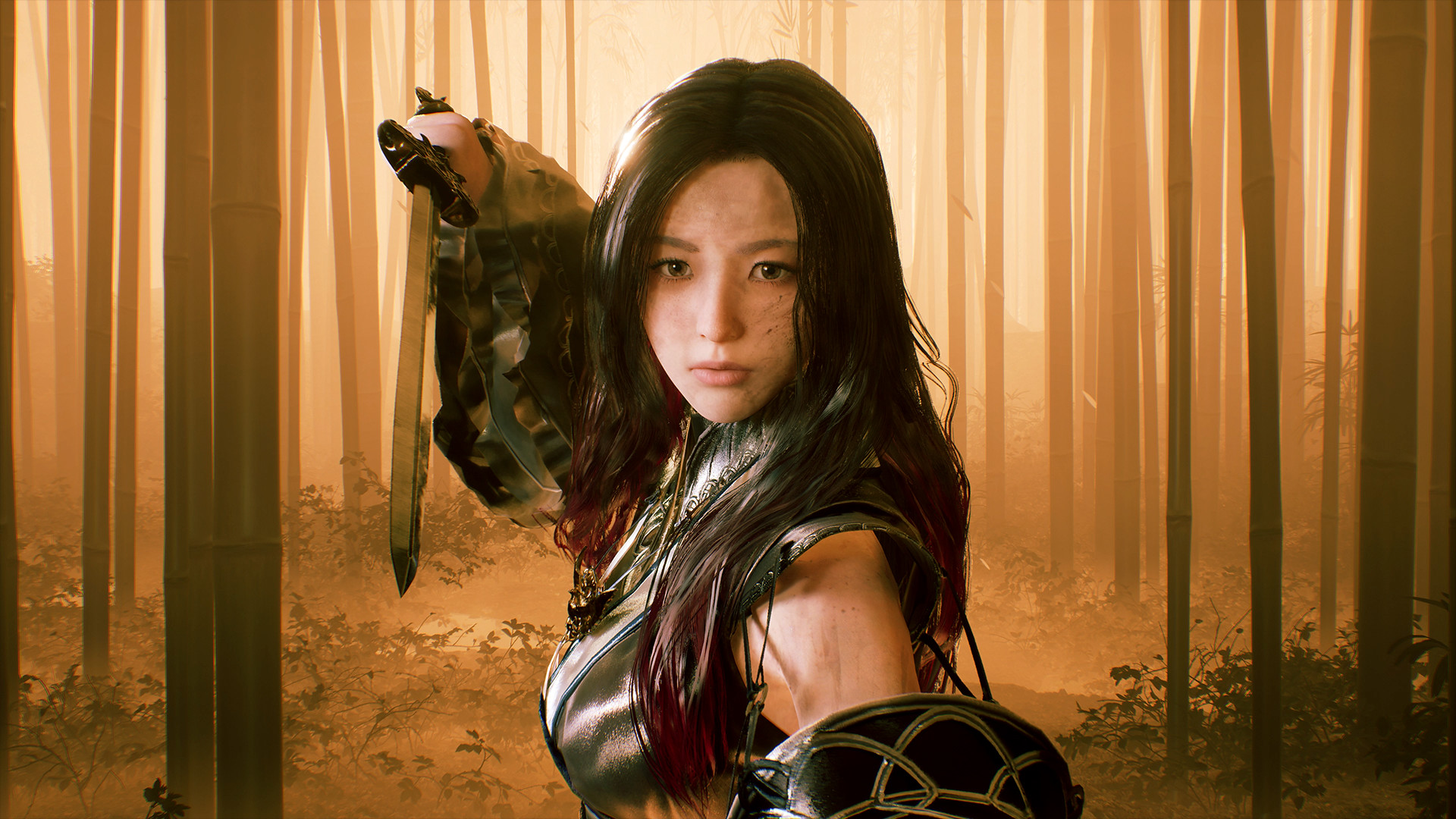
Phantom Blade Zero, the highly anticipated action-RPG from Chinese developer S-Game, has undergone a release date change that has only intensified excitement among gaming enthusiasts. Originally slated for September 9, 2026, the game will now launch on October 29 of that year, as announced by the developers in early June. While delays often frustrate eager fans, S-Game views this additional time as an opportunity to showcase more of their ambitious project. A dedicated State of Play presentation has been announced for next week, promising to reveal new details about this groundbreaking title. However, recent revelations about the game’s development process suggest that Phantom Blade Zero may do more than just deliver exceptional gameplay—it could fundamentally transform how action games are made.
A Revolutionary Approach to Game Development
In an exclusive interview with IGN, Creative Director Soulframe Liang pulled back the curtain on S-Game’s unconventional development methodology. According to Liang, the traditional approach to game development follows a rigid, sequential structure. “To create games, most other studios or large companies proceed step by step,” he explained. “They spend about two years on pre-production preparing all the concept art and documents, then produce by following exactly what’s written in those documents.” This waterfall approach has been the industry standard for decades, providing structure and predictability but often limiting creative flexibility during the production phase.
However, Phantom Blade Zero demanded something different. The recruitment of Donnie Yen—legendary martial arts master and international action film star known for his roles in the Ip Man franchise, Rogue One: A Star Wars Story, and John Wick: Chapter 4—fundamentally changed how S-Game approached development. Yen’s involvement wasn’t merely as a consultant; his expertise in choreographing and performing complex martial arts sequences required the studio to completely reimagine their workflow. The team quickly realized that conventional game development pipelines simply couldn’t accommodate the rapid, improvisational nature of professional martial arts choreography.
Building New Systems From the Ground Up
“We had to start from the beginning, rebuild everything from scratch,” Liang revealed during the interview. The challenge was significant: how do you capture the lightning-fast movements and creative spontaneity of a world-class martial artist within the constraints of video game development? Traditional motion capture sessions are meticulously planned, with every movement pre-choreographed and documented before actors ever step into the capture volume. But Donnie Yen and his stunt team operate differently, often improvising and refining movements in real-time to achieve the most authentic and visually stunning results possible.
Without an existing model to follow, S-Game was forced to innovate. The studio developed proprietary methods that Liang describes as “truly special, truly unique and dynamic.” While specific technical details remain under wraps, the implication is clear: S-Game has created a more flexible, adaptive development pipeline that can accommodate real-time creative input from performers while still maintaining the technical precision required for game animation. This represents a significant departure from how motion capture has traditionally been implemented in the gaming industry, where pre-planning and documentation typically take precedence over spontaneous creative decisions.
Industry-Wide Implications and Future Prospects
The potential impact of S-Game’s innovations extends far beyond Phantom Blade Zero itself. Liang expressed ambitious plans for sharing these methodologies with the broader gaming industry. “I think we’re going to expand this to all game creation processes, because the industry needs it even more,” he stated. If S-Game’s approach proves successful, it could inspire a fundamental shift in how action games handle motion capture and animation, potentially enabling more authentic and dynamic combat systems across the genre. The gaming industry has seen similar paradigm shifts before—the introduction of performance capture in titles like Uncharted and The Last of Us transformed narrative storytelling in games, while FromSoftware’s approach to combat design has influenced an entire generation of action RPGs.
Phantom Blade Zero arrives at an interesting moment for the action game genre. With titles like Elden Ring, God of War Ragnarök, and the upcoming Ghost of Yotei raising player expectations for combat quality, the pressure on developers to deliver exceptional action experiences has never been higher. S-Game’s willingness to completely rebuild their development processes demonstrates a commitment to pushing boundaries that could pay significant dividends. Whether their innovations become industry standard or remain a unique approach specific to their studio, Phantom Blade Zero is positioning itself as not just a game to watch, but a potential turning point in how action games are conceived and created.
Expert Opinion: S-Game’s decision to restructure their entire development pipeline around Donnie Yen’s martial arts expertise represents a bold gamble that could redefine industry standards. If successful, we may see major studios increasingly recruiting professional fighters and stunt performers not just as motion capture actors, but as creative collaborators who influence development methodology itself. The October 2026 release window positions Phantom Blade Zero to potentially set new benchmarks for action game animation quality that competitors will be chasing for years to come.