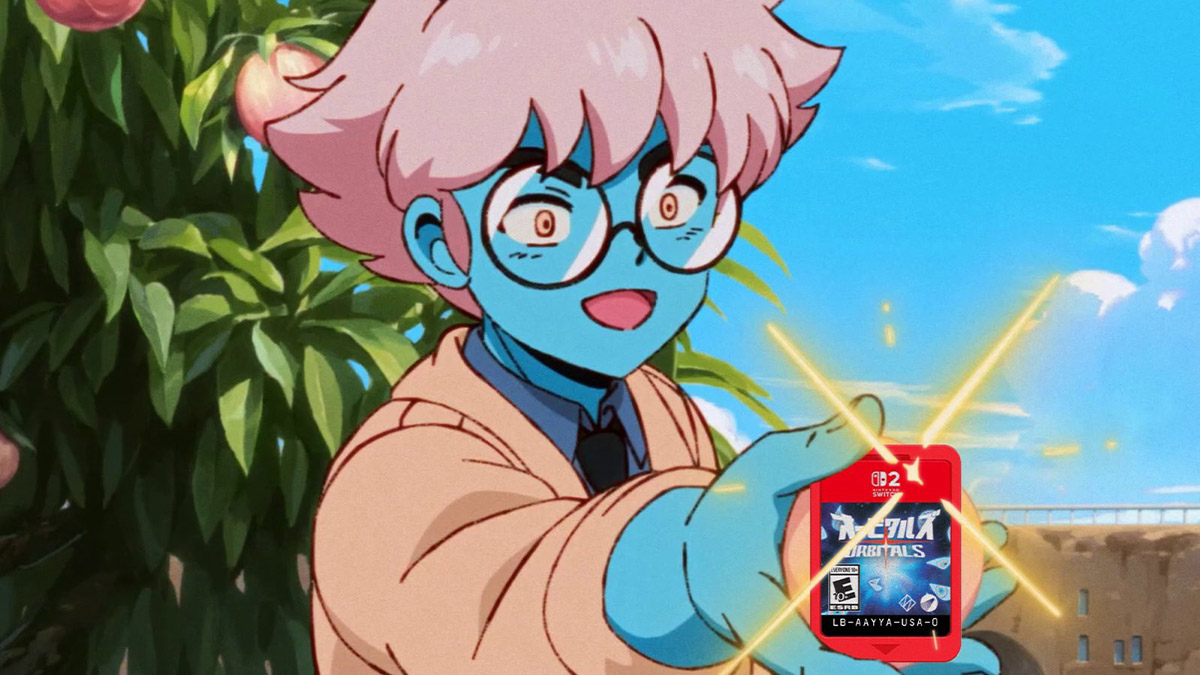
With less than a month until the release of Orbitals on Nintendo Switch 2, the development team at Shapefarm has shared their passionate defense of physical game releases in an era increasingly dominated by digital distribution. In an exclusive interview, creative director Marcos Ramos and game director Jakob Lundgren discussed not only their upcoming cooperative action title but also their firm stance on offering players tangible copies of their work. Their comments come at a particularly relevant time, as the gaming industry faces significant controversy over Sony’s recent announcement to discontinue physical PlayStation game production by 2028, a decision that has sparked widespread debate among consumers and industry professionals alike.
A Nintendo Switch 2 Exclusive with Physical Ambitions
Orbitals will launch as a Nintendo Switch 2 exclusive, a partnership that Shapefarm found particularly appealing due to several key factors. According to Lundgren, beyond the geographical convenience of being based in Japan near Nintendo’s headquarters, the console’s GameShare functionality played a significant role in their decision. This feature allows players to digitally lend copies of their games to friends, which perfectly complements Orbitals’ cooperative gameplay design that supports both local and online multiplayer experiences. However, Shapefarm wanted to go further than just digital sharing capabilities. The studio, working with their publisher Kepler Interactive, made the deliberate choice to release Orbitals in physical format from day one. This decision stands in stark contrast to current industry trends, where physical releases for independent titles are becoming increasingly rare.
The timing of this announcement carries additional weight given recent industry developments. Reports indicate that upcoming major releases like GTA 6 may require download codes even for physical copies, effectively eliminating the ability to resell or lend games in the traditional sense. Combined with Sony’s planned exit from physical media production, many collectors and traditionalists fear the end of an era. Yet Shapefarm remains committed to bucking this trend. “We were both very much in favor of it,” Lundgren explained when discussing the physical release decision. The response from potential players validated their approach immediately. “From the moment of the announcement, more than half of the comments were asking: ‘Will there be a physical version?'” Ramos added with evident satisfaction. “We’re thrilled to offer this to the fans.”
Kepler Interactive’s Legacy of Physical Releases
The decision to release Orbitals physically aligns with Kepler Interactive’s established reputation as a publisher that consistently supports physical editions across its portfolio. The independent publisher has previously released boxed versions for critically acclaimed titles from studios like Sloclap, creators of the martial arts action game Sifu and its recently announced sequel Rematch, as well as Sandfall Interactive’s highly anticipated RPG Clair Obscur: Expedition 33. This track record demonstrates that physical releases remain viable even for independent studios when publishers recognize their value to consumers. Market research consistently shows that while digital sales dominate overall game purchases, a dedicated segment of consumers actively seeks physical copies for various reasons including collection value, the ability to resell games, concerns about digital license ownership, and simple personal preference.
The aesthetic and thematic elements of Orbitals make the physical release feel especially appropriate. The game draws heavy inspiration from 1980s visual culture and arcade sensibilities, an era when digital distribution simply didn’t exist. “Thinking back to the 1980s, digital didn’t exist,” Lundgren reflected. “As a result, we felt there should be a physical version of the game.” This attention to period authenticity extends beyond mere nostalgia; it represents a philosophical commitment to honoring the traditions of the medium while creating something new. The 1980s represented a golden age for video game packaging, with elaborate box art, detailed instruction manuals, and physical maps or supplementary materials that extended the gaming experience beyond the screen itself.
The Irreplaceable Sensation of Physical Media
Beyond business considerations and thematic consistency, both developers expressed deeply personal attachments to physical gaming media that trace back to their formative years. Lundgren, who admits he isn’t “really a collector” by nature, nevertheless maintains a strong preference for tangible copies. “If I have the choice, I will always buy a physical copy,” he stated firmly. His reasoning connects to powerful childhood memories that many gamers of his generation share. “It perhaps comes from my childhood, when you buy a game, then in the car on the way home, you read the manual and look at the back of the box. For me, there’s something really pleasant about holding a physical copy of a game in your hands.” These experiences of anticipation and discovery, thumbing through colorful manuals and imagining the adventures ahead, represent formative moments that shaped how many current developers and players relate to the medium.
Ramos echoed these sentiments with equal conviction, emphasizing that “holding a game in your hands provides something unmatched.” Lundgren then drew a parallel to another form of media experiencing similar debates about physical versus digital formats: books. Having recently purchased a Kindle e-reader, he found himself recognizing what was missing from the digital reading experience. “I like taking a book, holding it, opening it for the first time, smelling it… There’s nothing better than all of that!” he explained. This comparison illuminates a broader cultural conversation about the role of physical objects in an increasingly digitized world. Studies suggest that physical ownership creates different psychological relationships with media than digital licenses, affecting everything from perceived value to emotional attachment. As Orbitals prepares for its September 3rd launch, players will have the opportunity to experience that moment of unwrapping a new game, inserting the cartridge into their Nintendo Switch 2, and beginning their adventure in the most traditional way possible, even as the industry around them accelerates toward an all-digital future.
Expert Opinion: Shapefarm’s commitment to physical releases represents more than mere nostalgia—it signals growing industry recognition that consumer demand for tangible media remains significant despite digital convenience. As major publishers retreat from physical production, independent studios and publishers like Kepler Interactive may find a competitive advantage in serving this underserved market segment. The coming years will likely see physical releases become premium offerings rather than standard practice, potentially commanding higher prices and collector interest.