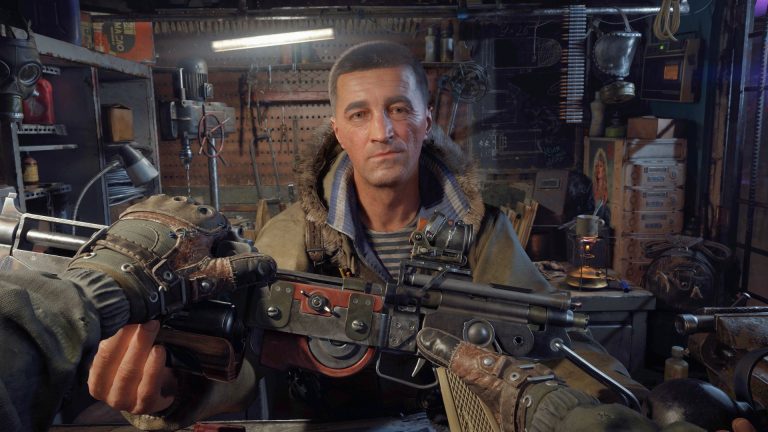
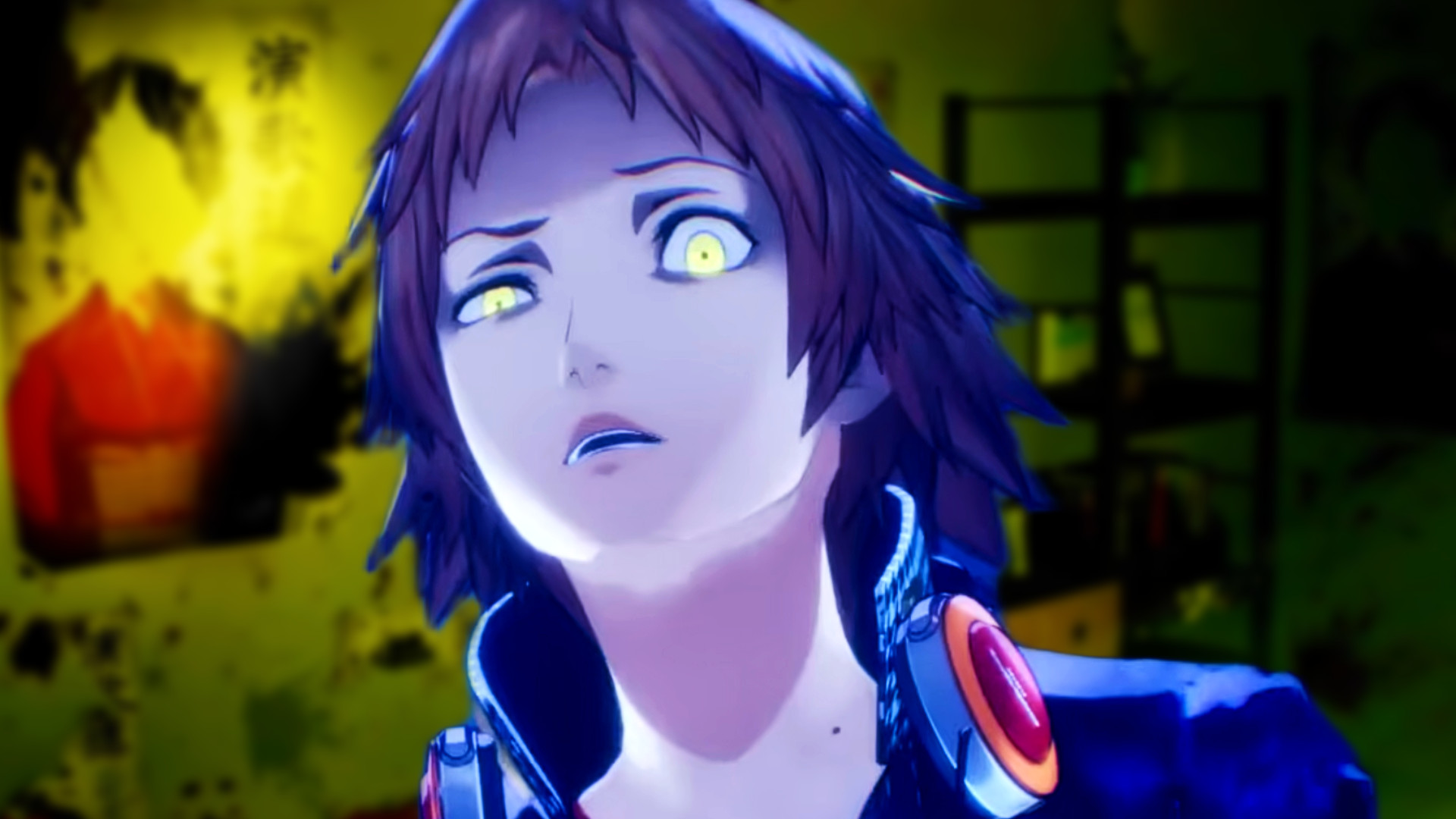
Atlus has announced that Persona 4 Revival will feature careful edits to certain character portrayals that “weren’t as clear” in the original release, while simultaneously promising to preserve the “core identities” of its beloved cast. This delicate balancing act addresses one of the most anticipated yet potentially controversial aspects of the upcoming remake, as the development team works to modernize a game that holds an almost legendary status among JRPG enthusiasts while respecting the emotional connections fans have formed with its characters over the past seventeen years.
The original Persona 4, released in 2008 for the PlayStation 2, remains one of the most critically acclaimed Japanese role-playing games ever made. Set in the fictional rural town of Inaba, the game follows a group of high school students who discover the ability to enter a mysterious television world where they must confront shadows representing suppressed aspects of human psychology. The game’s exploration of identity, self-acceptance, and personal growth resonated deeply with players worldwide, helping establish the Persona series as a mainstream phenomenon outside of Japan.
Addressing Controversial Character Portrayals
Among the characters receiving attention in the remake are Kanji Tatsumi and Naoto Shirogane, two party members whose storylines touched on themes of gender expression and sexuality in ways that were groundbreaking for their time but have since become subjects of ongoing debate within the gaming community. Kanji’s arc explored his struggles with perceived masculinity and his fear of rejection, while Naoto’s narrative dealt with gender presentation and societal expectations placed on women in male-dominated fields. While many players found these stories powerful and affirming, others have argued that certain aspects were handled clumsily or could be interpreted in problematic ways.
Persona Studio appears to be taking a thoughtful approach to these sensitive topics. Rather than dramatically rewriting characters or removing controversial elements entirely, the development team has indicated they will refine how these themes are presented to ensure the intended messages come across more clearly. This approach acknowledges that the original game’s handling of identity issues, while progressive for 2008, may benefit from the additional nuance that contemporary understanding and improved localization practices can provide.
The Evolution of JRPG Storytelling Standards
The decision to update Persona 4’s character portrayals reflects broader changes in how Japanese role-playing games approach complex social themes. Over the past decade, both Japanese developers and Western localization teams have become increasingly attentive to how narratives involving marginalized identities are crafted and translated. Games like Persona 5, released in 2016, demonstrated Atlus’s evolving approach to storytelling, though that title also faced criticism for certain character interactions that were subsequently modified in its expanded Royal edition.
Industry analysts suggest that Atlus’s measured approach to Persona 4 Revival could serve as a model for other developers facing similar challenges when remaking beloved classics. By committing to preserve core identities while improving clarity, the studio signals respect for both the original creative vision and the diverse player base that has grown around the franchise. The Persona series now boasts millions of fans globally, with Persona 5 alone having sold over seven million copies, making the stakes for this remake particularly high.
Fan Reactions and Industry Implications
Early fan reactions to the announcement have been mixed, with some celebrating the promise of improved character handling while others express concern about potential changes to stories they consider already well-crafted. The passionate Persona community has spent years debating the interpretations of characters like Kanji and Naoto, with no clear consensus emerging. This diversity of opinion makes Atlus’s task particularly challenging, as any changes will inevitably disappoint some portion of the fanbase while potentially winning over new audiences who found the original portrayals off-putting.
Persona 4 Revival joins a growing list of classic JRPG remakes that must navigate the tension between nostalgia and modernization. Titles like Final Fantasy VII Remake and the recent Dragon Quest remasters have demonstrated that thoughtful updates can introduce legendary games to new generations while satisfying longtime fans. As the gaming industry continues grappling with representation and inclusivity, how Atlus handles Persona 4’s more sensitive content could influence approaches to similar projects for years to come. The remake represents not just an opportunity to revisit a beloved classic with modern graphics and gameplay improvements, but also a chance to demonstrate how the medium has matured in its treatment of complex human experiences.
Expert Opinion: Atlus appears to be threading a difficult needle with Persona 4 Revival, recognizing that 2008’s cultural context differs significantly from today’s while understanding that wholesale character rewrites would alienate the devoted fanbase that made this remake commercially viable. The studio’s emphasis on “clarity” rather than transformation suggests subtle dialogue adjustments and improved localization rather than fundamental narrative changes—an approach that, if executed skillfully, could establish a new standard for how the industry approaches legacy content with dated social elements.