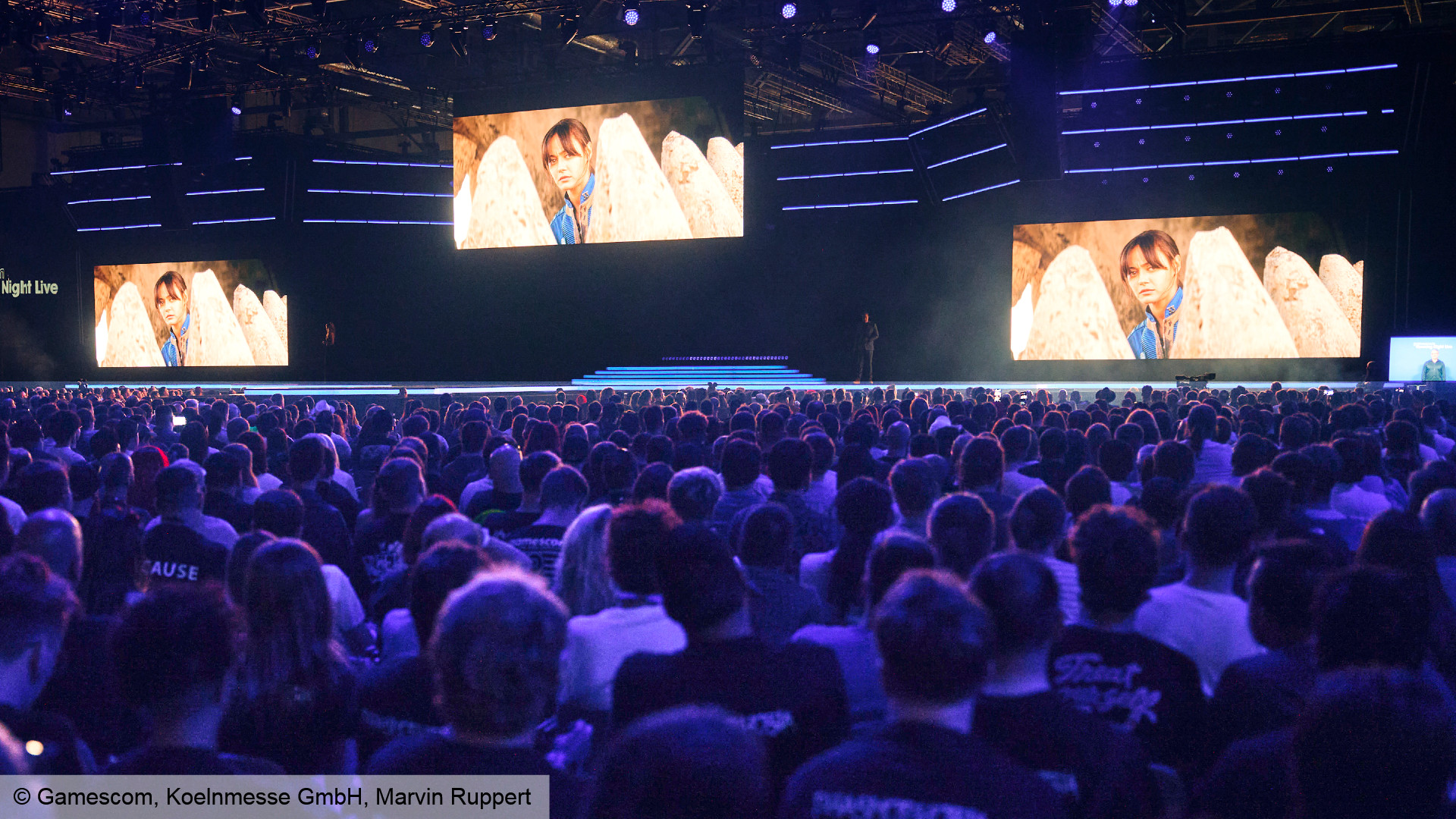
Gamescom 2026 is shaping up to be one of the most anticipated gaming events of the year, promising an impressive lineup of new announcements and hands-on opportunities with the biggest upcoming PC games. Scheduled to take place in Cologne, Germany, the annual convention continues to serve as a major gathering point for developers, publishers, and gaming enthusiasts from around the world. However, this year’s event carries a particularly poignant significance as the gaming industry navigates through one of its most turbulent periods in recent memory.
The organizers behind Gamescom have positioned the 2026 edition as “proof that the game industry is working towards a better tomorrow,” a statement that resonates deeply given the current climate. The past two years have witnessed unprecedented waves of layoffs and studio closures that have affected tens of thousands of workers across the global gaming landscape. Major publishers and beloved independent studios alike have been forced to make difficult decisions, leaving many talented professionals searching for new opportunities in an increasingly competitive job market.
An Industry in Transition
The challenges facing the gaming industry are multifaceted and complex. Rising development costs, changing consumer habits, and economic pressures have created a perfect storm that has fundamentally altered how games are made and marketed. According to industry analysts, more than 20,000 gaming professionals lost their jobs in 2024 alone, with 2025 continuing this troubling trend. Studios that once seemed untouchable have shuttered their doors, while others have been forced to dramatically scale back their ambitions and workforce.
Despite these difficulties, Gamescom 2026 represents a beacon of hope for many in the industry. The event, which has been running since 2009, has grown to become the world’s largest gaming trade fair, regularly attracting hundreds of thousands of attendees. Its continued success demonstrates that consumer appetite for gaming experiences remains robust, even as the business side of the industry undergoes significant restructuring. The convention provides a crucial platform for emerging studios to showcase their work alongside established giants, potentially opening doors for new partnerships and investment opportunities.
Looking Toward the Future
Industry observers note that periods of consolidation and difficulty have historically preceded major innovations in gaming. The late 1990s crash led to the emergence of new platforms and genres, while the 2008 financial crisis accelerated the rise of mobile and free-to-play gaming models. Many believe that the current challenges will similarly give birth to new approaches to game development, distribution, and monetization that could ultimately benefit both creators and players.
The Gamescom team has reportedly worked to ensure that this year’s event addresses both the excitement of new releases and the real concerns facing the community. Programming is expected to include panels on sustainable development practices, mental health resources for industry workers, and discussions about the evolving landscape of game publishing. These additions reflect a growing awareness that major events must do more than simply showcase products—they must also serve as forums for addressing the industry’s most pressing issues.
As the gaming community prepares for Gamescom 2026, there is a palpable sense that this year’s convention could mark a turning point. The event serves not only as a celebration of gaming culture but also as a testament to the resilience and creativity of the developers, artists, and storytellers who continue to push the medium forward despite significant headwinds. Whether viewed as an escape from current troubles or as a rallying point for positive change, Gamescom 2026 stands as a reminder that the passion driving the gaming industry remains as strong as ever.
Expert Opinion: While the gaming industry faces genuine structural challenges that won’t disappear overnight, events like Gamescom 2026 play a crucial role in maintaining industry morale and facilitating the connections that lead to new opportunities. The studios that emerge from this difficult period will likely be leaner, more adaptable, and better positioned to take advantage of emerging technologies like cloud gaming and AI-assisted development tools. We anticipate significant consolidation to continue through 2027, but the fundamental demand for quality gaming experiences ensures the industry’s long-term viability.