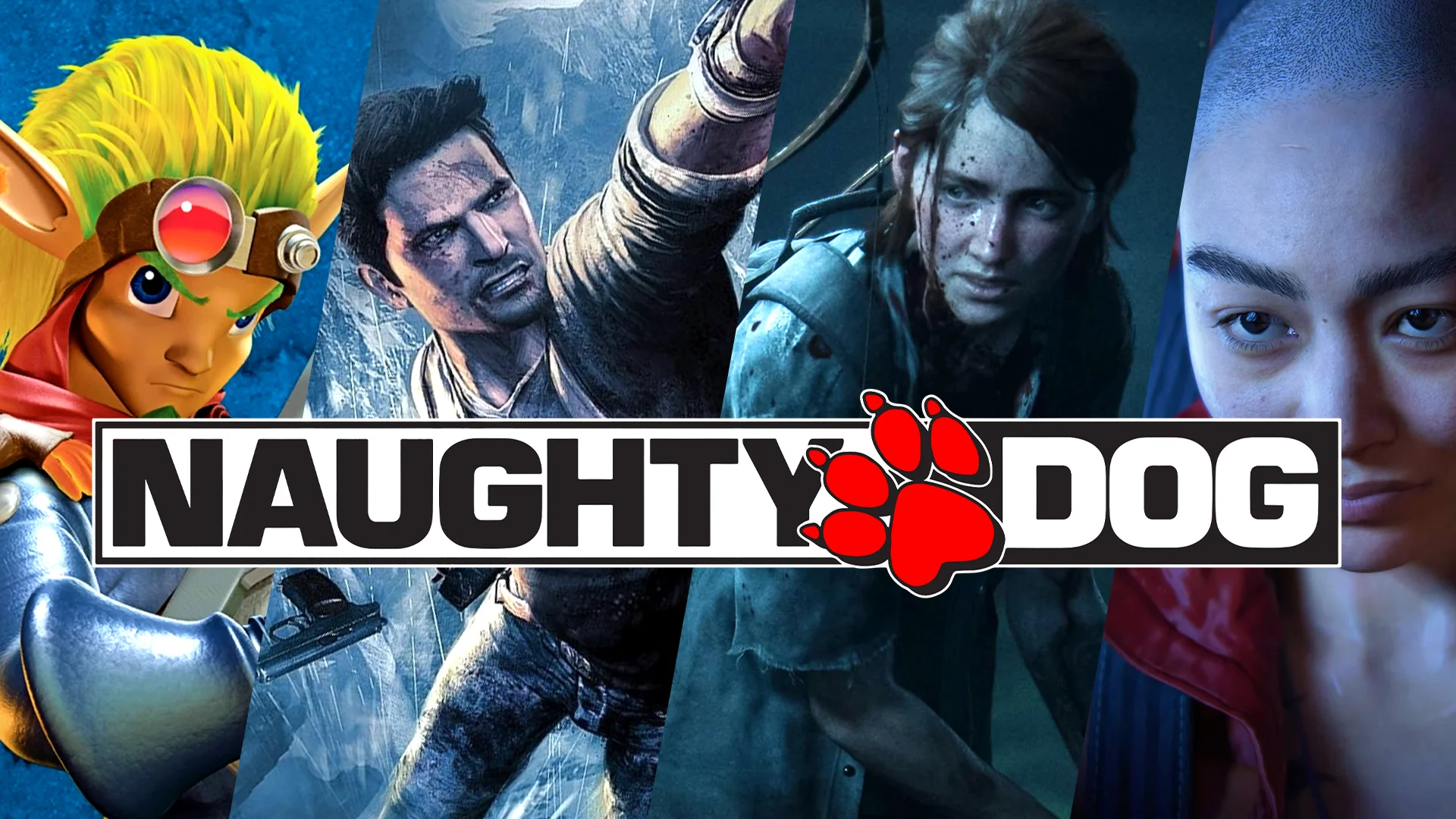
Renowned gaming industry journalist Jason Schreier has shed new light on the prolonged silence from one of PlayStation’s most celebrated studios. Naughty Dog, the legendary developer behind franchises like Uncharted and The Last of Us, has not released a new game since 2020’s critically acclaimed The Last of Us Part 2. In a recent report, Schreier has finally revealed the full extent of what transpired behind closed doors at the studio, and the picture he paints is both illuminating and concerning for fans eagerly awaiting the studio’s next masterpiece.
The revelation comes alongside troubling news about Guerrilla Games and the chaotic development of their multiplayer spin-off Horizon Hunters Gathering. Together, these reports paint a broader picture of PlayStation’s controversial pivot toward live-service gaming and the collateral damage this strategy has inflicted on some of the industry’s most talented development teams. For a studio that once released major titles every two to three years, an eight-year gap between original releases represents an unprecedented drought.
PlayStation’s Live-Service Obsession Takes Its Toll
In December 2024, Naughty Dog made waves by announcing Intergalactic: The Heretic Prophet, marking the studio’s first new intellectual property since The Last of Us debuted in 2013. The announcement generated significant excitement among fans who had been patiently waiting for the studio’s next ambitious project. However, since that initial reveal, information about the game has been scarce, with only occasional mentions appearing in various interviews as the team works intensively on development.
According to current projections, Intergalactic may not arrive during the PlayStation 5’s lifecycle at all. With the PlayStation 6 expected to launch sometime in 2028, assuming no delays caused by the ongoing component price crisis affecting RAM and other hardware, this would mean Naughty Dog will have gone eight years without releasing a new game. Schreier attributes this extraordinary gap entirely to the now-cancelled The Last of Us Factions, also known as The Last of Us Online, a multiplayer spin-off that consumed years of the studio’s resources before being shelved.
The Truth Behind Naughty Dog’s Silent Years
In a recent YouTube video critiquing PlayStation’s unsuccessful live-service strategy, Schreier addressed widespread misconceptions about Naughty Dog’s internal operations. Many industry observers had assumed that The Last of Us Online was merely a side project, with the bulk of the studio’s talent focused on Intergalactic. The reality, according to Schreier, was precisely the opposite. The majority of Naughty Dog’s workforce was dedicated to the multiplayer project, which reportedly consumed hundreds of millions of dollars before its eventual cancellation.
Schreier elaborated further, explaining that Intergalactic only became the studio’s primary focus after The Last of Us Online was officially cancelled. Prior to that decision, most of Naughty Dog’s staff was split between the ill-fated multiplayer game and various remasters and remakes released throughout the early 2020s, including The Last of Us Part 1 remake and the recent PC ports. This allocation of resources explains why one of gaming’s most prolific studios has remained silent on the new game front for so long. The studio, once known for its efficient development pipelines and consistent output, found itself trapped in an extended development cycle that ultimately produced nothing.
A Pattern of Costly Failures Across PlayStation Studios
Naughty Dog’s experience is far from isolated within the PlayStation ecosystem. The report highlights a troubling pattern across Sony’s first-party studios, all stemming from corporate leadership’s determination to establish a dominant presence in the lucrative live-service market. Guerrilla Games, the Dutch studio behind the acclaimed Horizon series, recently underwent a painful reboot of their own multiplayer project, Horizon Hunters Gathering, following overwhelmingly negative internal feedback. The project’s troubled development mirrors the challenges faced by Naughty Dog and suggests systemic issues with PlayStation’s strategic direction.
The live-service gaming market, dominated by titles like Fortnite, Apex Legends, and Call of Duty: Warzone, represents billions of dollars in annual revenue. Sony’s desire to capture a portion of this market is understandable from a business perspective, but the execution has proven disastrous. Multiple high-profile cancellations, including the multiplayer modes for both The Last of Us and potentially other unannounced projects, represent not just financial losses but also significant opportunity costs. The talented developers at these studios could have been creating the single-player experiences that made PlayStation famous, instead of chasing trends that ultimately led nowhere.
Industry analysts have noted that this situation raises serious questions about the future of PlayStation’s first-party output. If current trends continue, the PlayStation 6 launch could face significant challenges in terms of exclusive content. As one observer noted, at this pace there may be no major first-party games ready for the next console’s launch window. For fans of Naughty Dog and PlayStation’s other legendary studios, the hope now rests on Intergalactic: The Heretic Prophet delivering a return to form that justifies the years of waiting and wasted resources.
Expert Opinion: PlayStation’s aggressive pursuit of live-service revenue has fundamentally disrupted its most valuable asset: world-class single-player game development. The industry is likely to view this era as a cautionary tale about forcing established studios to abandon their core competencies. Moving forward, Sony must decide whether chasing the live-service market is worth potentially diminishing the creative output that built PlayStation’s legendary reputation.