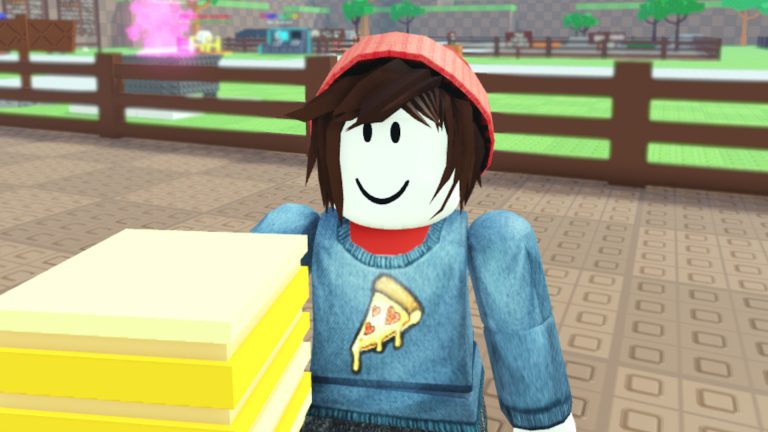

For years, Roblox has carried a reputation as a digital playground exclusively for children—a colorful universe of simple games, virtual pets, and endless avatar customization. But as the platform approaches its 20th anniversary, a growing community of developers and players is challenging this perception, arguing that Roblox’s future extends far beyond its young demographic roots. The platform that once seemed synonymous with childhood entertainment is quietly transforming into something much more ambitious and culturally significant.
“I understand why people say that, but I’ve always thought it’s a silly thing to say,” says Anthony O’Brien, co-creator of Croydon Bus Simulator. When asked whether Roblox is only for kids, O’Brien and fellow co-creator Toby Johnson push back against the stereotype firmly. Their creation—a surprisingly detailed simulation of driving buses through the streets of South London—represents a new wave of Roblox experiences designed with adult sensibilities in mind. From a distance, critics might dismiss the platform as nothing more than repetitive loops of trending content and viral catchphrases, but beneath the surface lies a sophisticated game development ecosystem that rivals traditional gaming platforms.
The Evolution of a Gaming Giant
Roblox Corporation launched its platform in 2006, originally conceived as a physics-based building environment for users to create and share their own games. What began as a modest project has since exploded into one of the world’s largest gaming platforms, boasting over 70 million daily active users as of 2024. The company went public in March 2021 with a direct listing that valued it at approximately $45 billion, cementing its status as a major player in the entertainment industry. Throughout this growth, however, the platform maintained its core appeal to younger audiences, with the majority of its user base traditionally falling under 16 years of age.
The platform’s unique business model centers on user-generated content, allowing anyone to create games using Roblox Studio, a free development environment. Creators can monetize their work through Robux, the platform’s virtual currency, with successful developers earning substantial real-world income. Some top creators have reportedly earned millions of dollars annually, transforming what was once considered a hobby into legitimate careers. This economic incentive has attracted increasingly sophisticated developers who bring professional game design experience to the platform.
Beyond the Stereotype: Mature Content for Grown-Up Players
The transformation of Roblox’s content landscape reflects broader demographic shifts. According to company data, users aged 17 and older now represent the fastest-growing segment of the platform’s audience. This shift has prompted Roblox to introduce age verification systems and content ratings, allowing developers to create experiences specifically designed for older players. Genres that once seemed incompatible with Roblox—horror games, complex simulations, narrative-driven adventures—are now flourishing within the ecosystem. Croydon Bus Simulator exemplifies this trend, offering a level of detail and realism that appeals primarily to adult players interested in simulation gaming.
Industry analysts point to several factors driving this maturation. The children who grew up playing Roblox in the late 2000s and early 2010s are now young adults, many of whom have maintained their connection to the platform while seeking more sophisticated experiences. Additionally, the COVID-19 pandemic accelerated digital entertainment adoption across all age groups, introducing Roblox to audiences who might never have discovered it otherwise. The platform has also invested heavily in improving its graphics capabilities and development tools, enabling creators to produce games that approach the quality of standalone titles.
The Future of User-Generated Gaming
Looking ahead, Roblox’s ambitions extend well beyond traditional gaming. The company has positioned itself as a pioneer in the metaverse concept, hosting virtual concerts, brand experiences, and social gatherings that blur the lines between gaming and broader digital interaction. Major artists like Lil Nas X and Twenty One Pilots have performed virtual concerts on the platform, attracting millions of attendees. Fashion brands including Gucci and Nike have established virtual presences, experimenting with digital merchandise and immersive brand experiences. These initiatives signal a future where Roblox serves as a general-purpose digital platform rather than simply a collection of games.
The platform’s expansion also raises important questions about online safety, content moderation, and the future of digital creativity. As Roblox welcomes older users while maintaining its appeal to children, the company faces the challenging task of creating segmented experiences that serve both demographics appropriately. Critics continue to raise concerns about exploitation of young users and the quality of moderation systems. Nevertheless, the community of creators building on Roblox remains optimistic about the platform’s trajectory, viewing it as a democratized space where anyone—regardless of age—can bring their creative visions to life.
Expert Opinion: The evolution of Roblox from a children’s platform to a multi-generational gaming ecosystem represents a significant shift in how we conceptualize user-generated content platforms. As the original generation of Roblox players matures and brings higher expectations for content quality and complexity, we should expect continued investment in development tools, graphics capabilities, and content moderation systems. The platform that successfully bridges generational divides while maintaining safety standards will likely dominate the metaverse landscape for the next decade.