In a candid discussion on the latest episode of FRVR’s podcast, longtime BioWare developer Mark Darrah has delivered a sobering assessment of one of gaming’s most beloved fantasy RPG franchises. According to Darrah, who spent over two decades at BioWare and served as executive producer on multiple Dragon Age titles, the series appears to have reached the end of its road. The veteran developer’s comments come in the wake of disappointing commercial performance and waning audience interest, painting a bleak picture for fans who have followed the franchise since its groundbreaking debut in 2009.
The primary catalyst for this grim outlook is the underwhelming reception of Dragon Age: The Veilguard, released in 2024. The game currently sits at a mere 67% positive rating on Steam, a stark contrast to the critical acclaim that defined earlier entries in the series. For a franchise that once stood alongside Mass Effect as BioWare’s crown jewels, such middling reception represents a significant fall from grace. The commercial failure of The Veilguard has raised serious questions about whether the series can recover and whether publisher Electronic Arts will continue investing in its development.
A Franchise Built on Innovation Now Struggling to Find Its Identity
Dragon Age: Origins launched in 2009 to widespread critical acclaim, earning numerous Game of the Year awards and establishing BioWare’s reputation for deep, choice-driven narratives in a dark fantasy setting. The game was praised for its complex characters, morally ambiguous storylines, and tactical combat system that rewarded strategic thinking. It sold millions of copies and spawned a passionate community that created countless mods and fan content. The sequel, Dragon Age II, arrived just two years later in 2011 and faced criticism for its rushed development and repetitive environments, though it maintained the series’ narrative strengths.
Dragon Age: Inquisition, released in 2014, represented a triumphant return for the franchise. The game won numerous Game of the Year awards and sold over 12 million copies, demonstrating the enormous appetite for quality fantasy RPGs. However, the decade-long gap between Inquisition and The Veilguard proved problematic. During this extended development period, the gaming landscape evolved dramatically, with competitors like The Witcher 3 and Baldur’s Gate 3 raising player expectations for narrative depth and production quality. The Veilguard’s inability to meet these heightened standards contributed significantly to its disappointing reception.
Expanding Universe Efforts Have Also Fallen Flat
Beyond the core games, attempts to expand the Dragon Age universe into other media have similarly struggled. Dragon Age: Absolution, an animated series released on Netflix in 2022, received a lukewarm response from both critics and audiences. Despite featuring the franchise’s signature blend of political intrigue and magical conflict, the show failed to capture the magic of the games. Four years later, Netflix has not renewed the series for additional seasons, effectively confirming its cancellation. This multimedia failure further compounds the franchise’s troubles and suggests that audience interest in Dragon Age content has diminished across all platforms.
Darrah’s assessment carries particular weight given his extensive history with the franchise. He served as executive producer on Dragon Age: Inquisition and was deeply involved in the series’ development for many years before departing BioWare in 2020. His suggestion that any potential continuation would require a complete reset indicates that the current narrative and mechanical framework may be fundamentally broken. A reset could mean abandoning the established timeline, characters, and world-building that defined the series, essentially starting fresh with new creative direction.
The Future Remains Uncertain for Dragon Age Fans
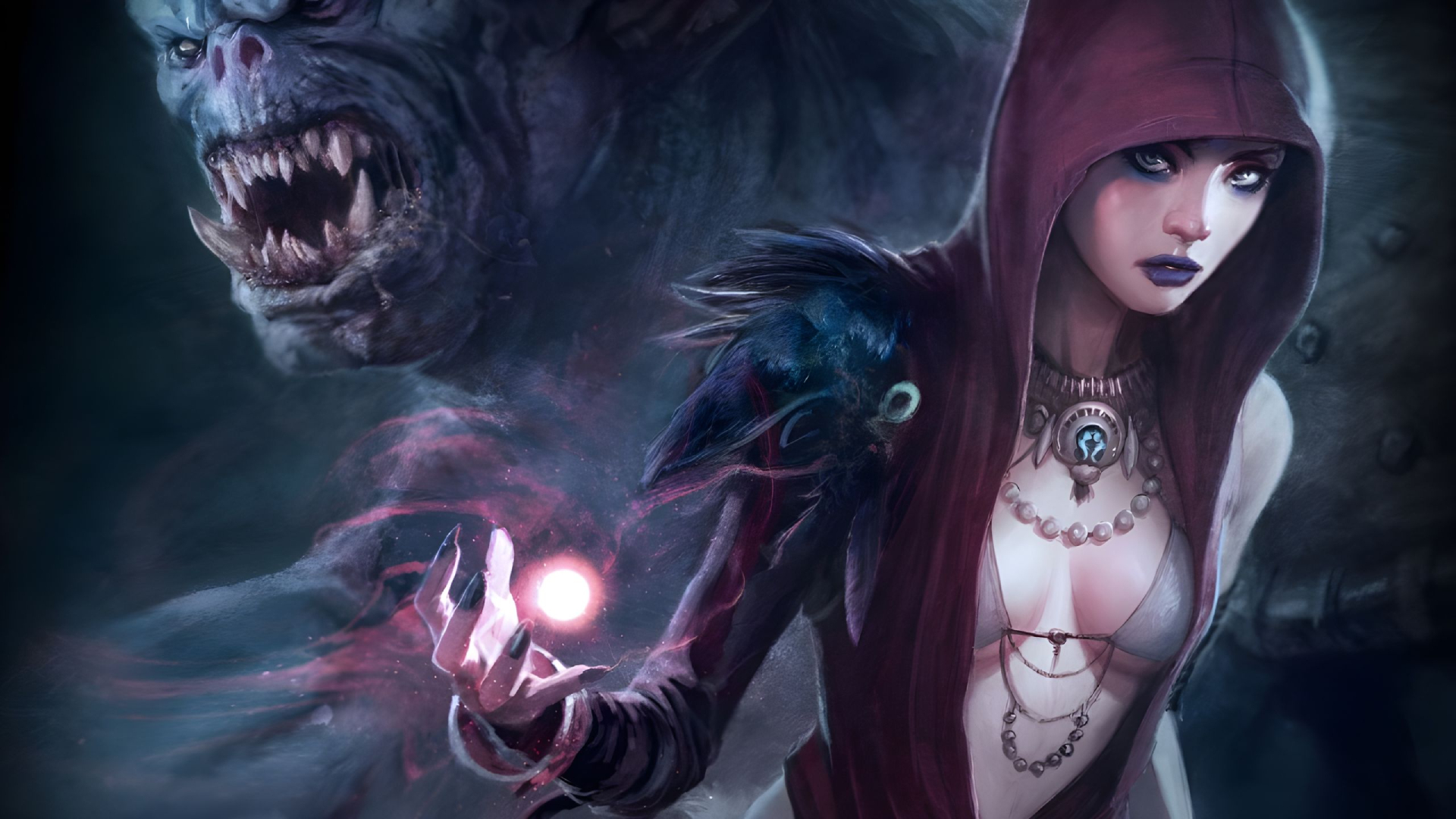
The potential death of Dragon Age represents a significant loss for the RPG genre. At its peak, the franchise exemplified the possibilities of interactive storytelling, allowing players to shape complex narratives through meaningful choices with lasting consequences. The series explored mature themes including religious conflict, political corruption, and social inequality within its fantasy framework. For many players, companions like Morrigan, Varric, and Solas became as memorable as characters from any novel or film, demonstrating the unique emotional connections that video games can foster.
Whether Electronic Arts and BioWare will attempt to revive Dragon Age remains unclear. The studio is currently focused on the next Mass Effect installment, and corporate priorities may not favor investing further resources in a struggling property. If Darrah’s assessment proves accurate and a reset does occur, it would represent both an ending and a potential new beginning. However, given the current state of both BioWare and the franchise, fans may need to accept that the age of dragons has finally come to a close, at least in its current form.
Expert Opinion: The trajectory of Dragon Age mirrors broader challenges facing AAA RPG development, where extended development cycles and shifting market expectations create impossible hurdles. If EA decides to resurrect the franchise, success will likely require not just a narrative reset but a complete reimagining of the development approach, potentially with a smaller scope and more focused vision similar to what Larian achieved with Baldur’s Gate 3. The era of BioWare’s dominance in Western RPGs appears definitively concluded.