
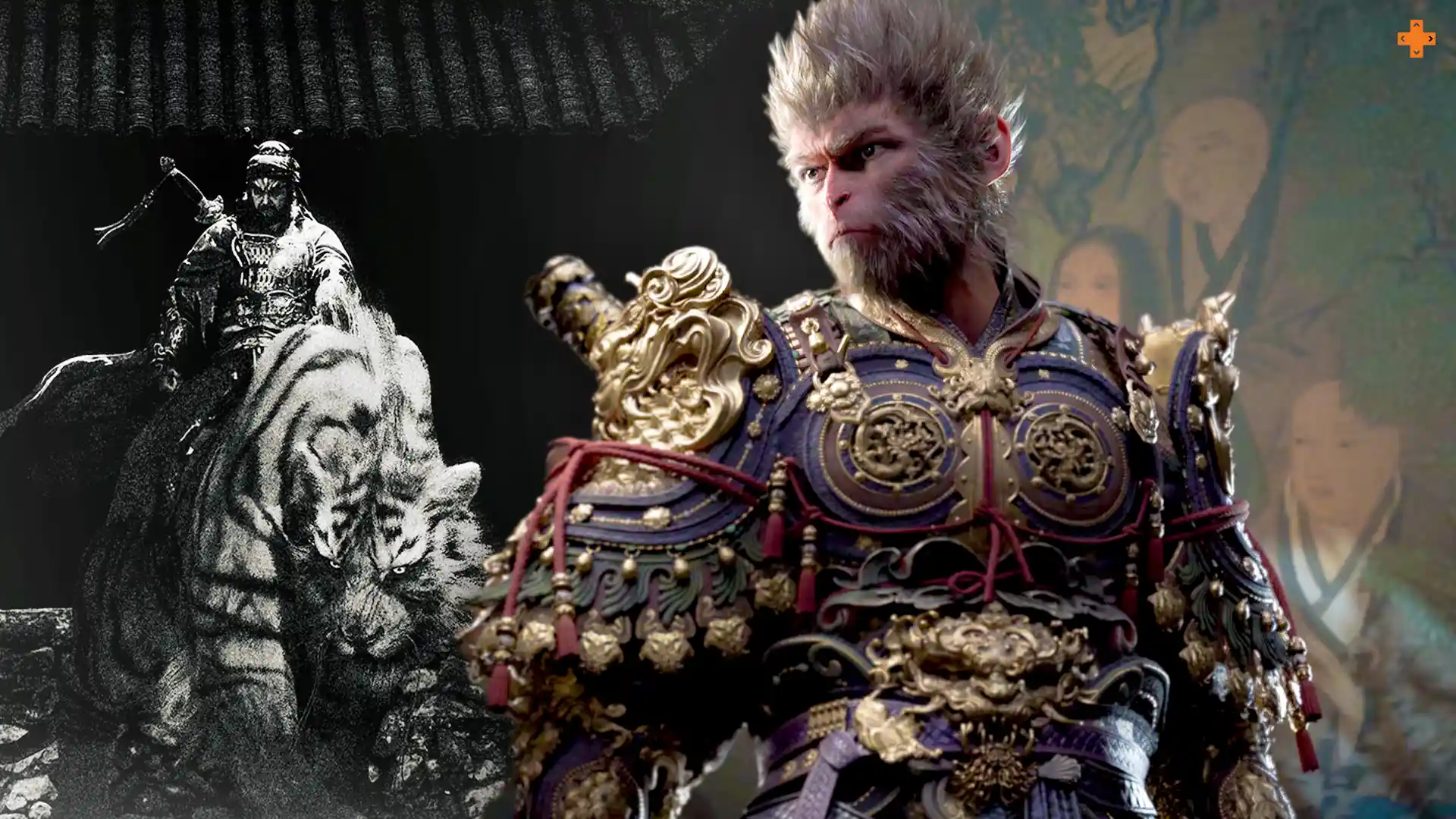
The Chinese video game studio behind one of 2024’s biggest gaming phenomena has taken a definitive stance against using generative artificial intelligence in the development of their highly anticipated sequel. Yang Qi, co-founder of Game Science and artistic director of the Black Myth series, recently addressed this increasingly contentious topic in the gaming industry, revealing that the studio’s next project, Black Myth: Zhong Kui, will be crafted entirely through traditional game development methods. His reasoning draws direct inspiration from an unexpected source: Hollywood director Christopher Nolan’s commitment to practical filmmaking techniques.
On August 10th, Yang Qi responded to a fan inquiry on the Chinese social media platform Weibo about whether the studio would employ AI tools to accelerate the development of their upcoming title. The question reflects growing curiosity about how one of gaming’s newest powerhouse studios will approach their follow-up to Black Myth: Wukong, which became a cultural phenomenon upon its release and shattered sales records for a Chinese-developed game. The original title sold over 10 million copies within its first three days and garnered critical acclaim for its stunning visuals and deep roots in Chinese mythology.
Nolan’s Odyssey Serves as Creative Inspiration
In his response, Yang Qi expressed profound admiration for Christopher Nolan’s latest film, The Odyssey, which is currently captivating audiences in theaters worldwide. The renowned director has long been celebrated for his commitment to practical effects and real-world filming techniques, famously eschewing CGI whenever possible in favor of building actual sets and staging real stunts. For Nolan, this approach creates a tangible authenticity that audiences can feel, even if they cannot consciously identify why certain scenes feel more impactful than computer-generated alternatives.
Yang Qi sees a parallel between Nolan’s filmmaking philosophy and game development. While the artistic director clarified that he is not categorically opposed to AI technology as a matter of principle, he firmly stated that Game Science will not use generative AI to create graphic assets or any other creative elements in Black Myth: Zhong Kui. The key phrase from his statement was that the team believes in taking their time and “not rushing” the creative process. This patient approach already yielded remarkable results with the original game, which spent approximately six years in development before its release.
Swimming Against the Industry Tide
Game Science’s position places them increasingly at odds with broader industry trends. The use of generative AI in game development has become one of the most contentious issues facing the gaming industry today, with numerous high-profile titles already incorporating these tools in various capacities. The controversy extends beyond simple efficiency concerns, touching on fundamental questions about artistic integrity, job security for creative professionals, and the soul of interactive entertainment. Recent examples of AI implementation in games have sparked intense debate among fans and industry professionals alike.
The list of prominent games that have utilized AI tools continues to grow. Titles like Clair Obscur: Expedition 33 used AI for placeholder illustrations, while Crimson Desert similarly employed the technology for preliminary artwork. Kingdom Come: Deliverance 2 drew particular criticism for eliminating translator positions in favor of AI systems. The Halo Campaign Evolved mod generated its entire French voice acting through AI tools, and Kingdom Hearts Collection used AI to compose its packaging artwork. Even Tomb Raider: Legacy of Atlantis has acknowledged using AI for temporary exploration features during development. Each disclosure tends to generate backlash from portions of the gaming community who value human creativity and worry about the displacement of skilled workers.
The Stakes for Game Science and the Future of Development
For Game Science, the decision to reject AI tools carries both symbolic and practical significance. The studio rose from relative obscurity to international fame through the quality and authenticity of Black Myth: Wukong, a game deeply rooted in the classic Chinese novel “Journey to the West.” The sequel, Black Myth: Zhong Kui, draws from another beloved figure in Chinese folklore—the demon queller Zhong Kui, who has been a popular subject in Chinese art and literature for over a millennium. Maintaining artistic authenticity is therefore not merely a business decision but a cultural imperative for the studio.
The gaming industry continues to grapple with unprecedented challenges, including widespread layoffs that have affected tens of thousands of workers over the past two years. Against this backdrop, decisions about AI implementation carry weight far beyond individual projects. Studios that choose to maintain human-driven creative processes send a powerful message about valuing their workforce and the irreplaceable qualities that human artists bring to interactive entertainment. Whether Game Science’s approach will influence other developers or remain an increasingly rare exception as AI tools become more sophisticated remains to be seen, but their commitment to traditional techniques offers hope to those who believe that the best creative work still comes from human hands and minds.
Expert Opinion: Game Science’s rejection of generative AI represents a significant marker in the ongoing debate about technology’s role in creative industries. As AI tools become more sophisticated and cost-effective, studios that deliberately choose human-driven development may find themselves positioned as premium creators, similar to how artisanal products command higher respect in other industries. The success or failure of Black Myth: Zhong Kui could serve as a crucial case study for whether traditional development methods can remain competitive in an increasingly AI-augmented landscape.