At this weekend’s San Diego Comic Con, God of War fans received extraordinary news that has set the gaming community ablaze with excitement. Santa Monica Studio not only confirmed that God of War Laufey will launch on February 16, 2027, but also revealed that another game is already in development—one that will place the iconic Spartan warrior Kratos back at the center of the action. While details remain scarce, the implications of this announcement suggest a massive shift in the franchise’s future direction, pointing toward an interconnected universe of epic proportions that has been years in the making.
The Post-Ragnarök Era Takes Shape
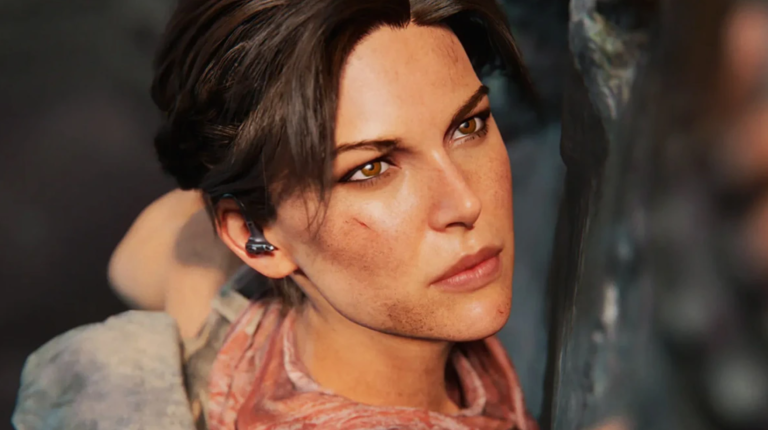
Creative Director Cory Barlog may have chosen to keep specific details under wraps, but the surrounding context of this announcement reveals far more than initially apparent. God of War Laufey, while notably featuring Faye rather than Kratos as its protagonist, is officially considered the next mainline entry in the series following 2022’s critically acclaimed God of War Ragnarök. This positioning is significant, as it establishes that the franchise is expanding its narrative scope while maintaining the interconnected storytelling that has defined the Norse saga.
“Everything we do in Faye’s game is a continuation of what came before and aims to prepare and develop what will follow,” Barlog declared during the presentation. “It’s interesting to see how this universe takes shape. Everything in God of War Laufey sets up something incredible.” This statement carries profound implications for the franchise’s trajectory. While Ragnarök served as a definitive conclusion to Kratos’s Nordic journey, Laufey appears designed to inaugurate a new era—one where multiple heroes will play significant roles in shaping the mythology.
A Decade of Planning Comes to Fruition
The God of War franchise has undergone a remarkable transformation since its 2005 debut on PlayStation 2. Originally conceived as a brutal action-adventure set in Greek mythology, the series reinvented itself with 2018’s soft reboot, which transported an older, wiser Kratos to the realms of Norse mythology. That game sold over 23 million copies and won numerous Game of the Year awards, while its sequel Ragnarök became the fastest-selling first-party PlayStation game at launch, moving 11 million copies in its first week alone. This commercial and critical success has clearly emboldened Sony and Santa Monica Studio to think bigger about the franchise’s future.
Deborah Ann Woll, the actress portraying Faye in the upcoming title, revealed a fascinating detail in recent weeks: God of War Laufey has actually been in development conceptually for nearly ten years. This means Santa Monica Studio had already envisioned the franchise’s post-Ragnarök direction well before that game even released. The studio’s long-term planning suggests a carefully orchestrated expansion of the God of War universe, where multiple characters and timelines can coexist and complement each other narratively.
Kratos Remains Central to Everything
God of War Laufey will explore Faye’s adventures in Empyrean, the paradise of the gods, with events unfolding parallel to Kratos and Atreus’s journey through the Norse saga. The subsequent Kratos-focused game will presumably take place after Ragnarök’s conclusion, potentially exploring new mythologies—a prospect that has long excited fans who have speculated about Egyptian, Japanese, or Celtic settings. Barlog has also emphasized the importance of Phranque, a character who has “existed since the very beginning,” hinting at even more protagonists who might eventually receive their own spotlight.
Recent releases and announcements further reinforce Kratos’s enduring centrality to the franchise. February 2026 saw the launch of God of War: Sons of Sparta, a 2D spin-off serving as a prequel, while a remake of the original Greek trilogy remains in development without a confirmed release date. These projects demonstrate Sony’s commitment to honoring the character’s legacy while simultaneously pushing forward with new narratives. Even when Kratos isn’t the main playable character, the mythology being built around him ensures his presence permeates every corner of this expanding universe.
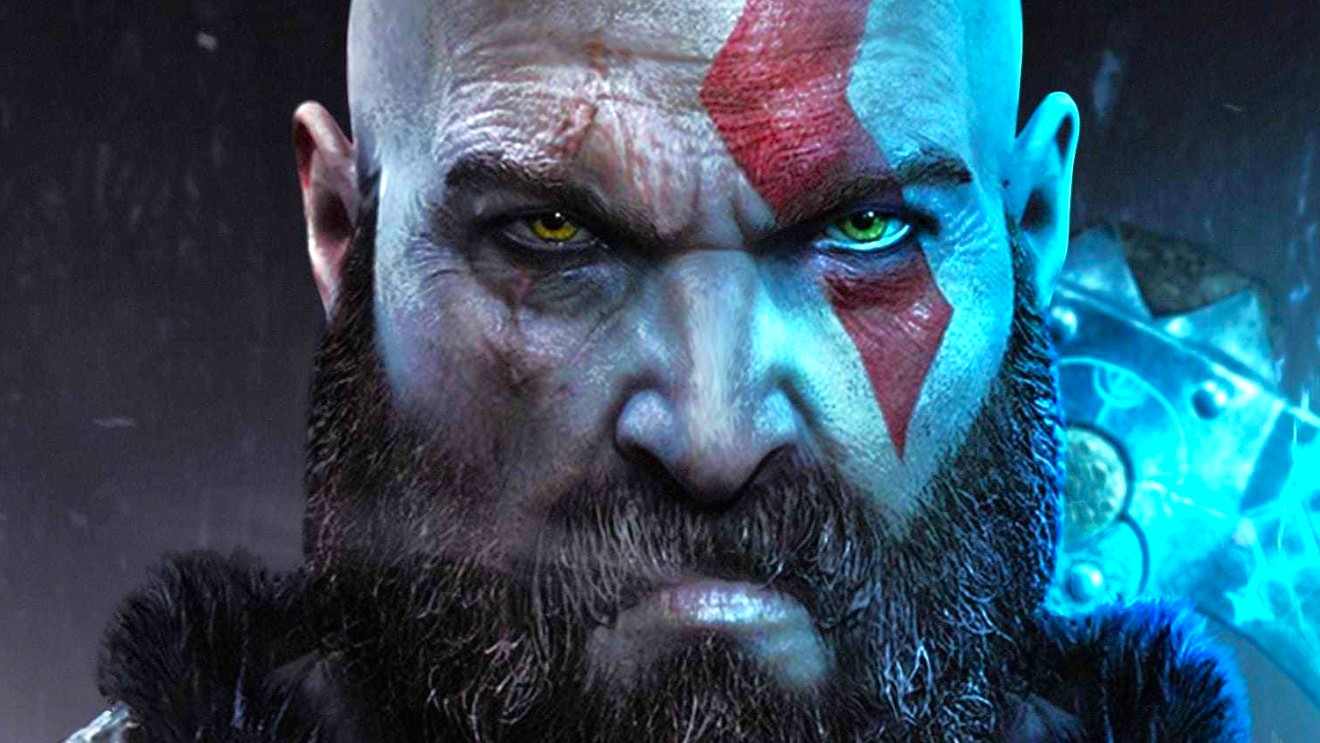
Santa Monica Studio has made one thing abundantly clear: the Ghost of Sparta is far from finished. Despite stepping aside for Faye’s upcoming adventure, Kratos remains fundamentally central to everything the franchise represents. The announcement of his return in a future title, combined with the careful narrative groundwork being laid in Laufey, promises that epic adventures await God of War fans for years to come. For a character who has already conquered both Greek and Norse pantheons, the possibilities for future confrontations with divine beings from other mythologies seem endless—and that prospect is definitively exciting for the millions of players who have followed his journey since the PlayStation 2 era.
Expert Opinion: Santa Monica Studio’s revelation of a parallel development strategy—releasing character-focused spin-offs while simultaneously preparing mainline Kratos entries—signals a maturation of the God of War franchise into a true multimedia universe. This approach mirrors successful models seen with Marvel and Star Wars, suggesting Sony views God of War as a cornerstone IP capable of sustaining multiple concurrent narratives. The ten-year planning window for Laufey indicates we may see this pattern continue, with potential spin-offs exploring other characters like Atreus or Mimir while Kratos’s saga continues to expand into unexplored mythologies.