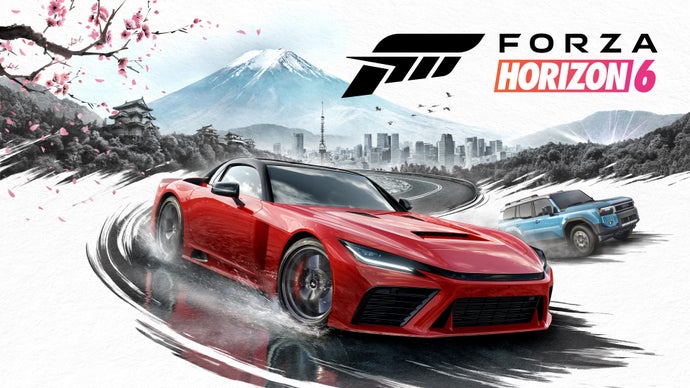
There is a persistent theory in gaming circles that long-running franchises must inevitably sand down their rough edges with each successive installment, sacrificing depth and complexity at the altar of mass appeal. The Forza Horizon series, now entering its sixth mainline entry, has long been held up as both a shining example and a cautionary tale of this phenomenon. What began as a spin-off of the more simulation-focused Forza Motorsport has evolved into one of gaming’s most successful open-world racing experiences, yet questions linger about whether the franchise’s relentless pursuit of accessibility has come at the cost of meaningful innovation.
Forza Horizon 6 arrives with enormous expectations weighing on its chassis. The series has sold tens of millions of copies worldwide and has become a flagship title for Xbox Game Studios, regularly showcased as a demonstration of what Microsoft’s gaming hardware can achieve. The previous entry, Forza Horizon 5, set in a vibrant recreation of Mexico, was praised for its stunning visuals and diverse biomes but also criticized for feeling overly familiar to longtime fans. With this new installment, developer Playground Games faces the challenging task of refreshing a formula that many argue was already perfected years ago.
A Festival That Never Ends
The Horizon Festival concept remains the beating heart of the experience, and Forza Horizon 6 doubles down on this foundation. Players once again find themselves thrust into a car culture celebration where every activity, from street races to cross-country scrambles, feeds into an ever-expanding progression system. The festival atmosphere creates an undeniably appealing backdrop, complete with radio stations featuring licensed music, celebrity appearances, and a constant stream of events demanding attention. However, this relentless positivity can feel exhausting, with the game seemingly afraid to let players experience a moment of quiet reflection amidst the chaos.
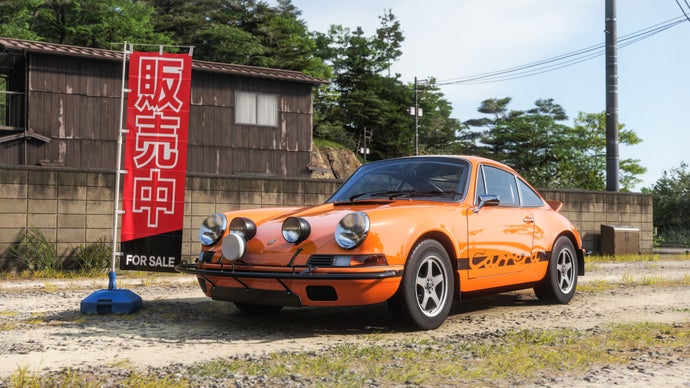
The car collection mechanic, which has been central to the series since its inception, continues to dominate the gameplay loop in ways that feel increasingly anachronistic. Players accumulate vehicles at a staggering pace, with the game showering them with rewards for virtually every action. While this generosity ensures that players always have something new to drive, it also undermines any sense of accomplishment or progression. The thrill of earning a dream car diminishes significantly when dozens of equally impressive machines are handed out as participation trophies. This approach reflects a broader trend in game design where the fear of player frustration has led to experiences that can feel hollow despite their polish.
Technical Excellence Meets Creative Stagnation
From a technical standpoint, Forza Horizon 6 represents the current pinnacle of racing game development. The graphical fidelity is nothing short of remarkable, with weather systems, lighting effects, and environmental details that push contemporary hardware to its limits. The handling model strikes an impressive balance between arcade accessibility and simulation authenticity, allowing newcomers to enjoy the experience while providing depth for those seeking it. The audio design deserves particular praise, with each vehicle possessing a distinct sonic character that makes driving them a sensory pleasure.
Yet technical excellence alone cannot mask the growing sense that the series has become trapped by its own success. The fundamental structure has remained largely unchanged across multiple entries, and while refinements have been made, the core experience feels increasingly predictable. Longtime players may find themselves going through familiar motions, unlocking cars they’ve driven before in previous games, completing event types they’ve mastered years ago. The question facing Playground Games is whether the Forza Horizon formula can sustain another generation without more substantial evolution, or whether the series risks becoming a victim of its own comfortable consistency.
The Future of Open-World Racing
Forza Horizon 6 ultimately delivers exactly what fans have come to expect, which is both its greatest strength and its most significant limitation. The game remains an exceptional entry point for newcomers to the racing genre and provides hundreds of hours of content for dedicated enthusiasts. However, the franchise’s reluctance to challenge its players or take meaningful creative risks suggests a series more concerned with maintaining its broad appeal than pushing boundaries. As gaming evolves and player expectations shift, the Forza Horizon series may need to rediscover some of the edge it has carefully filed away over the years.
Expert Opinion: The Forza Horizon franchise stands at a critical crossroads where its proven formula guarantees commercial success but risks creative stagnation. Industry analysts suggest that Playground Games may need to introduce more meaningful progression systems and reduce the overwhelming car rewards to restore a sense of achievement. The next few years will determine whether Horizon evolves into something more challenging or remains content as gaming’s most polished comfort food.