
The narrative-driven strategy game Dispatch has captivated players with its unique blend of superhero management and moral decision-making. As the manager of the Heroic Dispatching Service (SDH), players face a pivotal choice at the end of Episode 4: recruiting either the seasoned veteran Phenomaman or the inexperienced but eager Waterboy to join Team Z. This decision carries significant weight, affecting both the storyline progression and gameplay mechanics in meaningful ways. For those wrestling with this consequential choice, understanding the full implications of each candidate is essential for making an informed decision that aligns with your playstyle and narrative preferences.
Developed by AdHoc Studio, Dispatch has earned praise for its innovative approach to the superhero genre, blending visual novel storytelling with real-time strategy elements. The game challenges players to manage a team of reformed criminals turned heroes, making split-second decisions that impact both mission success and character relationships. The recruitment decision in Episode 4 follows another difficult choice from Episode 3, where players had to decide which team member to dismiss, demonstrating the game’s commitment to meaningful player agency and consequence-driven storytelling.
Understanding the Context: Team Z and the Recruitment Dilemma
Life at the Heroic Dispatching Service is anything but routine. Team Z represents a unique experiment in the superhero world—a squad composed entirely of reformed criminals seeking redemption through heroic acts. This unconventional approach to crime-fighting has created fascinating team dynamics and moral complexities that Dispatch explores throughout its episodic narrative. When Aurore (known as Blonde Blazer in the original version) presents you with the recruitment opportunity in Episode 4, it marks a significant turning point for the team’s composition and future capabilities.
The timing of this recruitment is particularly noteworthy, as it directly follows the dismissal decision from Episode 3. Your new recruit will develop synergies with either Malevola or Punch Up, depending on which character you retained previously. This interconnected decision-making system exemplifies modern game design philosophy, where choices cascade through the narrative rather than existing in isolation. Players must consider not only the immediate statistical advantages of each candidate but also how their choice will mesh with existing team dynamics and future mission requirements.
Phenomaman: The Legendary Hero Seeking Redemption
Phenomaman represents the archetypal fallen hero—a legendary figure whose illustrious career has been overshadowed by personal struggles following his breakup with Blonde Blazer. His depression has significantly impacted his professional performance, leading to failed missions and diminished confidence. However, beneath this troubled exterior lies one of the most capable heroes in the game’s universe. Recruiting Phenomaman means gaining access to the best starting statistics in Dispatch, with particular emphasis on combat prowess, vitality, and mobility. These attributes make him exceptionally effective even when deployed on solo missions, offering immediate strategic advantages.
The trade-off for Phenomaman’s superior abilities comes in the form of a significant penalty: a 45-second delay before he can be redeployed following a failed mission. This disadvantage reflects his psychological fragility and the time needed to recover from setbacks. Additionally, his integration into Team Z creates interpersonal tension, as the reformed criminals who make up the squad harbor deep-seated resentment toward traditional superheroes. Despite these challenges, experienced players often find that Phenomaman’s raw power compensates for his drawbacks, particularly in later episodes where mission difficulty escalates considerably.
Waterboy: The Underdog With Unlimited Potential
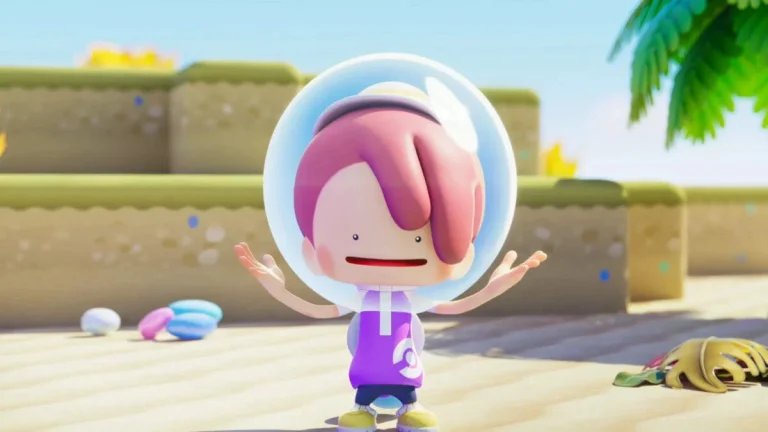
In stark contrast to Phenomaman’s established credentials, Waterboy enters the picture as the quintessential underdog. Working as a maintenance worker at the SDH, he dreams of becoming a true hero despite his clumsiness and lack of experience. His journey from janitor to potential superhero resonates with classic origin stories that have defined the genre for decades. What Waterboy lacks in starting statistics—he begins with the worst numbers in the entire game—he compensates for with unique growth potential and endearing personality traits that quickly win over players willing to invest in his development.
Mechanically, Waterboy offers intriguing advantages that reward patient players. He receives a +1 bonus on his highest statistic during missions, which can increase to +3 after proper training. Furthermore, his healing ability, once unlocked, allows him to support teammates in the field—a capability that becomes invaluable during challenging encounters. However, his auto-assignment skill can occasionally complicate mission planning by automatically deploying him to certain scenarios. For players who enjoy character development arcs and don’t mind a steeper initial difficulty curve, Waterboy provides a more emotionally satisfying narrative experience while still remaining viable for mission success.
Making Your Decision: Gameplay vs. Story Considerations
Ultimately, the choice between Phenomaman and Waterboy reflects a fundamental question that Dispatch poses to its players: do you prioritize immediate mechanical advantages or long-term narrative satisfaction? Phenomaman offers a smoother gameplay experience with his superior statistics, making him the pragmatic choice for players focused on mission efficiency and minimizing failures. His presence brings gravitas to Team Z and opens storylines exploring themes of professional burnout and personal redemption among established heroes.
Waterboy, meanwhile, appeals to players who find joy in nurturing potential and witnessing growth. His arc embodies the classic zero-to-hero journey that has inspired countless superhero stories. While his early-game limitations demand more strategic thinking and careful mission assignment, the payoff comes through both his eventual statistical competence and the emotional investment players develop in his success. Many players report that choosing Waterboy, despite the added challenge, delivers a more memorable and heartwarming experience that enhances their overall enjoyment of Dispatch’s narrative.
Expert Opinion: From a game design perspective, this recruitment decision exemplifies excellent player choice implementation—neither option is objectively superior, but each caters to different playstyles and priorities. Players seeking optimal efficiency should lean toward Phenomaman, while those valuing character development and narrative engagement will find Waterboy’s journey more rewarding. Expect future episodes to further differentiate these paths, potentially making this one of the most impactful decisions in the entire game.