There are some video game worlds that players could envision themselves inhabiting — realms filled with breathtaking landscapes, welcoming inhabitants, and an undeniable spirit of adventure. Metro 2039 stands in stark opposition to such idealized digital escapes. This is a genuine hellhole where even the smallest victories demand Herculean efforts, a somber environment that practically reeks of decay and death. And yet, despite its unrelenting grimness, or perhaps because of it, the game manages to captivate players in ways that more cheerful titles simply cannot achieve.
The Metro series has always distinguished itself through its commitment to atmospheric storytelling, and the latest installment pushes this design philosophy to its absolute limits. Based on Dmitry Glukhovsky’s acclaimed post-apocalyptic novels, the franchise transports players to a devastated Moscow where survivors have retreated into the city’s elaborate subway system to escape the nuclear wasteland above. The tunnels have become humanity’s last refuge, but life underground is far from safe. Mutated creatures prowl the darkness, hostile factions wage constant warfare over scarce resources, and the very air outside threatens instant death to anyone without proper protection.
A Legacy of Atmospheric Excellence
The Metro franchise first emerged in 2010 with Metro 2033, developed by Ukrainian studio 4A Games. That initial release immediately earned recognition for its suffocating atmosphere and survival-horror sensibilities, setting it apart from more action-oriented shooters of the era. The development team, many of whom had previously worked on the S.T.A.L.K.E.R. series, brought their expertise in crafting oppressive Eastern European post-apocalyptic settings to create something genuinely unique in the gaming landscape. Metro: Last Light followed in 2013, expanding the narrative while maintaining the claustrophobic tension that defined its predecessor. Metro Exodus in 2019 took the series above ground for the first time, offering more open environments while preserving the franchise’s signature dread.
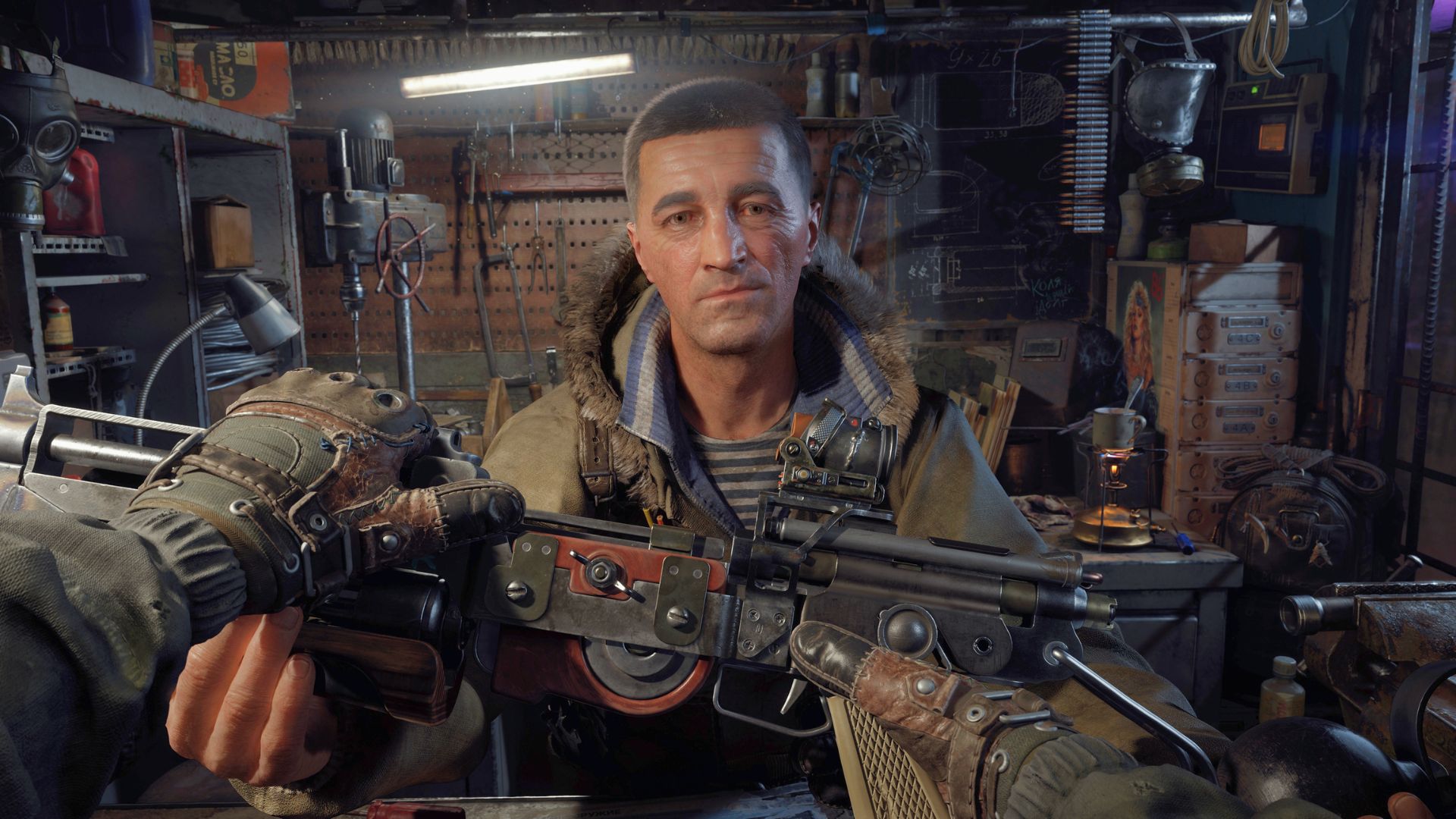
What makes Metro 2039 particularly noteworthy is how it refines and intensifies every element that made previous entries memorable. The sound design deserves special mention — every drip of water echoing through abandoned tunnels, every distant screech of unknown horrors, every labored breath through a deteriorating gas mask contributes to an overwhelming sense of dread. Players find themselves physically tensing while navigating darkened corridors, their real-world heart rates increasing as their in-game Geiger counters begin clicking with increasing urgency. This is interactive horror at its finest, achieved not through cheap jump scares but through relentless environmental storytelling.
The Art of Misery Done Right
The game’s commitment to making players feel genuinely uncomfortable represents a bold artistic choice in an industry often focused on power fantasies and constant reward loops. Resources remain perpetually scarce, forcing difficult decisions about whether to use precious ammunition in combat or save it as currency for essential supplies. Every expedition to the irradiated surface becomes a calculated risk, with players constantly monitoring their filter supply and radiation exposure. The moral choice system returns in evolved form, tracking player decisions in ways that aren’t immediately obvious, leading to consequences that feel earned rather than arbitrary.
Character development in Metro 2039 reaches new heights as well. The inhabitants of this underground world carry the weight of their circumstances in every interaction. Conversations reveal people clinging to hope despite overwhelming evidence that hope itself might be futile. Children who have never seen sunlight speak of the surface world with a mixture of terror and wonder, while older survivors reminisce about the world that was with a melancholy that feels achingly authentic. The writing team has crafted a society that feels lived-in and real, even as it depicts conditions most players would find utterly unbearable.
Technical Achievement Meets Artistic Vision
From a technical standpoint, Metro 2039 showcases what modern hardware can achieve when ray tracing and advanced lighting systems serve artistic vision rather than mere spectacle. The interplay of light and shadow doesn’t just look impressive — it fundamentally shapes gameplay, with illumination becoming both a resource to be managed and a tactical consideration in every encounter. The game’s weather systems and environmental destruction add layers of unpredictability that keep even veteran players on edge. Performance optimization has clearly been a priority, with the development team ensuring that the atmospheric experience remains consistent regardless of platform.
The franchise has consistently pushed boundaries in terms of immersion, and this latest entry continues that tradition while finding new ways to unsettle its audience. It’s not a game for everyone — those seeking escapism and relaxation should absolutely look elsewhere. But for players who appreciate when interactive entertainment treats them as adults capable of handling genuinely challenging themes and gameplay, Metro 2039 represents something increasingly rare: a blockbuster production unafraid to be demanding, uncomfortable, and utterly uncompromising in its vision.
Expert Opinion: Metro 2039 represents a fascinating counterpoint to industry trends favoring accessibility and player comfort. As gaming matures as a medium, titles willing to prioritize atmosphere and emotional impact over conventional enjoyment become increasingly valuable for demonstrating the artistic potential of interactive entertainment. This approach, while commercially risky, may influence future AAA productions to take similar creative risks.