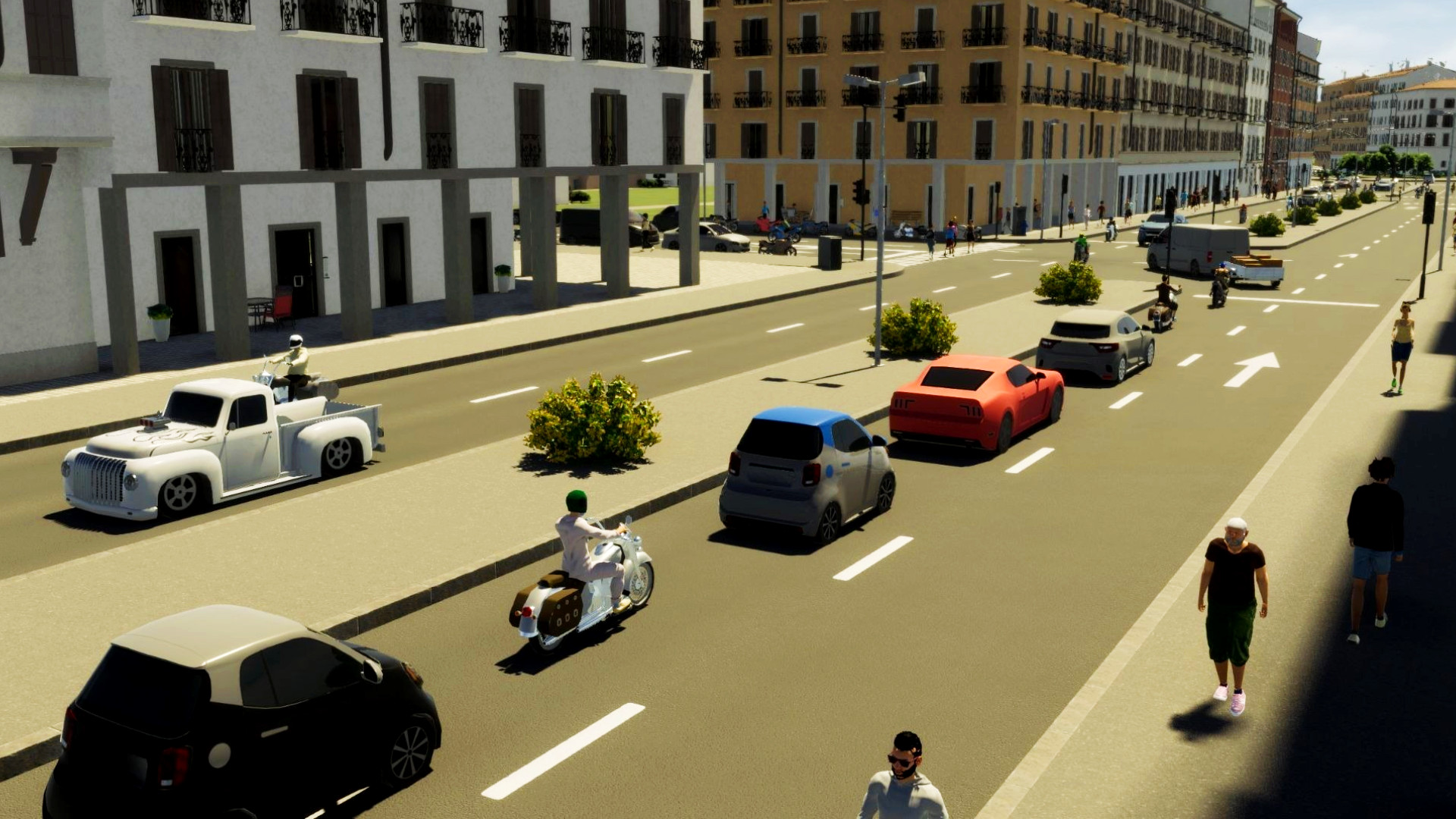
Cities Skylines 2 has been undergoing a significant transformation since the introduction of new developer Iceflake Studios, and the latest improvements appear to be resonating with players. Recent Steam reviews have shifted notably toward positive territory, marking a stark contrast from the game’s troubled launch period. The development team has been systematically overhauling fundamental game systems, including traffic management and visual fidelity, and now they’re turning their attention to an often-overlooked but crucial urban service: garbage collection.
The upcoming patch will address what the community has dubbed the “garbage logic” problem, a longstanding issue that has frustrated city builders since the game’s release. Players have reported that garbage trucks would often make illogical routing decisions, leaving entire neighborhoods drowning in waste while collection vehicles sat idle or traveled inefficient paths across the city. This seemingly minor issue had cascading effects on citizen happiness, property values, and overall city functionality.
Understanding the Garbage Collection Problem
The core issue stemmed from how the game’s artificial intelligence calculated collection routes and prioritized pickups. Unlike the original Cities Skylines, which had years of patches and community mods to refine such systems, the sequel launched with fundamentally flawed service vehicle pathfinding. Garbage would accumulate in certain districts while nearby landfills remained underutilized. Citizens living in affected areas would become increasingly unhappy, eventually abandoning their homes and creating a domino effect of urban decay. This problem was exacerbated by the game’s simulation depth, which tracks individual citizens and their daily routines, meaning that garbage-related unhappiness spread realistically through communities.
City-building simulation games have a long history of struggling with service vehicle management. The original SimCity games faced similar challenges, and even the beloved Cities Skylines required numerous patches and the popular Traffic Manager mod to achieve smooth operations. What makes garbage collection particularly challenging in simulation games is the need to balance efficiency with realism. Real-world garbage collection follows established routes and schedules, but game simulations must adapt dynamically to player-created city layouts that can range from perfectly gridded metropolises to chaotic organic sprawls.
Iceflake Studios Takes the Reins
Iceflake Studios’ involvement represents a significant shift in the game’s development trajectory. The Finnish studio, which previously worked on supporting roles for various simulation titles, has brought fresh perspectives to solving Cities Skylines 2’s persistent problems. Their approach has been methodical, tackling one core system at a time rather than attempting broad but superficial fixes. The traffic overhaul completed in earlier patches demonstrated their capability, reducing complaints about vehicle congestion and improving overall simulation performance. The garbage logic fix follows this same philosophy of deep, meaningful changes rather than quick patches.
The timing of these improvements is particularly crucial for the franchise’s future. Cities Skylines 2 launched in October 2023 to mixed reviews, with many players criticizing poor optimization, missing features, and simulation bugs that undermined the core gameplay experience. Publisher Paradox Interactive faced significant backlash, leading to delayed DLC releases and a renewed focus on fixing the base game. The gradual turnaround in Steam reviews suggests that patience and persistent development work can rehabilitate even troubled releases. Industry analysts note that this recovery mirrors similar redemption arcs seen with games like No Man’s Sky and Cyberpunk 2077, titles that launched poorly but eventually won back player trust through dedicated improvement efforts.
What the Fix Means for Players
For players who have stuck with Cities Skylines 2 or are considering returning, the garbage logic improvements promise more intuitive and realistic city management. Collection vehicles will now prioritize pickups more intelligently, taking into account factors like proximity, route efficiency, and actual garbage accumulation levels. This should eliminate the frustrating scenarios where one neighborhood drowns in waste while trucks drive past to serve less urgent areas. Additionally, the fix includes better integration with the game’s existing traffic systems, meaning garbage trucks will cause less congestion and respond more dynamically to changing road conditions.
The broader implications of these fixes extend beyond just cleaner virtual streets. City-building enthusiasts often use games like Cities Skylines as educational tools for understanding urban planning concepts. When fundamental systems like garbage collection work properly, players can experiment with different city layouts and service configurations to learn about real-world urban challenges. Universities and urban planning programs have incorporated city-building games into their curricula, making accurate simulation of municipal services surprisingly important for educational applications.
Expert Opinion: The systematic approach Iceflake Studios has taken to rehabilitating Cities Skylines 2 suggests the game may eventually achieve the depth and polish players expected at launch. If the garbage logic fix proves as successful as the earlier traffic improvements, we could see Cities Skylines 2 reaching “Very Positive” Steam reviews within the next six to twelve months, potentially positioning it as a worthy successor to the original by late 2025.