The landmark $55 billion acquisition of Electronic Arts by a consortium led by Saudi Arabia’s Public Investment Fund has sent shockwaves through the gaming industry, but perhaps nowhere more acutely than within EA’s own workforce. While company leadership has repeatedly assured employees that creative freedom and corporate values will remain intact, internal sources paint a starkly different picture—one of anxiety, cynicism, and a growing disconnect between executives and rank-and-file workers who fear for their jobs and the company’s future direction.
The deal, which represents one of the largest acquisitions in gaming history, comes at a transformative moment for the industry. Saudi Arabia’s sovereign wealth fund has been aggressively expanding its gaming portfolio in recent years, acquiring stakes in numerous major publishers and developers as part of the kingdom’s Vision 2030 initiative to diversify its economy away from oil dependence. Previous investments include significant positions in Nintendo, Activision Blizzard, and Capcom, along with the complete acquisition of SNK and a substantial stake in Embracer Group.
Town Hall Tensions Reveal Management-Employee Divide
In an attempt to address growing concerns, EA organized a company-wide town hall meeting in autumn 2025, shortly after news of the potential acquisition first emerged. Employees seized the opportunity to voice their worries about job security, corporate culture, and the implications of being owned by a foreign sovereign wealth fund. What they received in return, according to multiple anonymous sources speaking to Game Developer, were responses that felt hollow and evasive—corporate platitudes that did little to address their substantive concerns.
The meeting allegedly concluded on a particularly sour note. According to two sources, the head of EA’s lifestyle division apparently forgot that microphones remained active after the formal Q&A session ended. The executive was reportedly heard muttering “little babies” in apparent reference to employees who had just shared their concerns about their livelihoods and the company’s direction. While the exact context of the remark remains unclear, its impact on employee morale was unmistakably negative, reinforcing perceptions that leadership viewed legitimate workplace concerns with contempt rather than empathy.
Tone-Deaf Executives and a Workforce in Crisis
The microphone incident was far from an isolated example of the cultural chasm separating EA’s executive class from its broader workforce. At another internal meeting, a senior leader reportedly joked about needing to buy a new horse for their child to celebrate the Year of the Horse in the Chinese calendar. For employees already anxious about potential layoffs and struggling financially in an industry that has shed tens of thousands of jobs in recent years, the comment landed with the force of a cruel joke.
“Some of us are struggling to make ends meet. Some have lost their jobs with no prospects of finding another one. I bet most of us don’t even have a single pony,” one employee told Game Developer, their frustration palpable. Another source was more direct in their assessment: “These people are completely disconnected from the reality of regular employees.” The gaming industry has experienced unprecedented turbulence since 2023, with major publishers including Microsoft, Sony, and EA itself implementing significant workforce reductions despite reporting strong financial results.
A $20 Billion Debt Cloud Looms Over the Workforce
Adding to employee anxiety is the staggering financial structure of the deal itself. To complete the acquisition, EA took on approximately $20 billion in debt—a massive obligation that will inevitably create pressure to reduce costs and improve margins. Industry analysts have noted that leveraged buyouts of this magnitude typically result in significant operational restructuring, often including workforce reductions, studio closures, and the cancellation of underperforming projects.
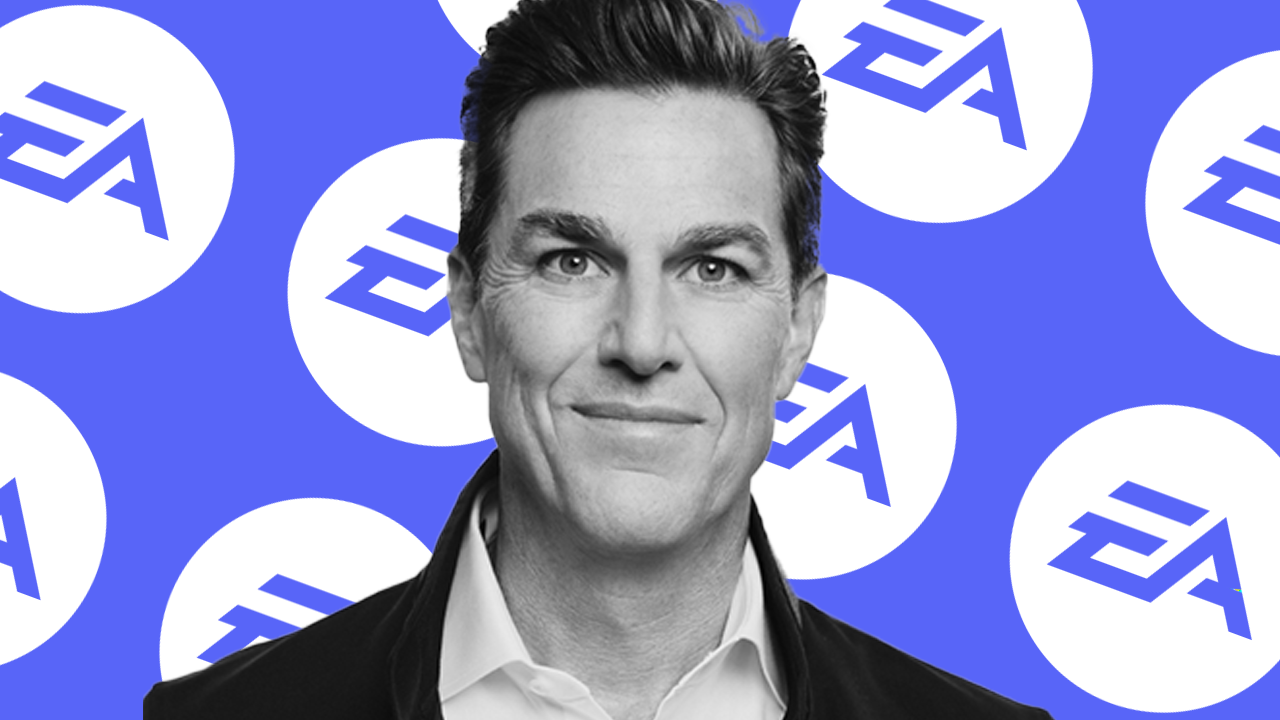
EA leadership has stated that the acquisition will not result in “immediate” layoffs, but employees have interpreted this carefully worded assurance as a thinly veiled warning. “It’s hard to imagine that teams or games that underperform won’t be dissolved or sold off,” one employee observed. The skepticism is well-founded given recent history: the team behind Battlefield 6 was laid off despite the game’s commercial success, even as CEO Andrew Wilson received a $38.7 million bonus partly attributable to that same title’s performance. Such disparities have become emblematic of broader tensions in the gaming industry between executive compensation and worker stability.
Cultural Concerns and the Saudi Connection
Beyond economic anxieties, many EA employees express profound discomfort with the identity of their new owners. Saudi Arabia’s human rights record—including the kingdom’s treatment of LGBTQ+ individuals, women’s rights activists, and journalists—has made the Public Investment Fund a controversial investor in Western entertainment industries. “I feel dirty,” one employee confided, articulating a sentiment that appears widespread within the company. Another source said it was simply “hard to feel good” about working for an organization now controlled by the Saudi sovereign wealth fund.
These concerns have taken on new urgency following recent changes to EA’s official website. Players of The Sims 4, a franchise celebrated for its inclusive character creation and LGBTQ+-friendly content, discovered that references to Pride Month initiatives had been quietly removed from EA’s site. Mentions of the “It Gets Better” campaign and themed Sims content related to LGBTQ+ representation have reportedly disappeared. EA declined to comment when contacted about these changes, fueling speculation that the new ownership structure may already be influencing corporate communications and values—despite leadership’s assurances to the contrary.
The situation at EA reflects broader tensions within the gaming industry as sovereign wealth funds and private equity increasingly acquire major publishers. While these deals can provide financial stability and resources for ambitious projects, they also raise fundamental questions about creative independence, workplace culture, and corporate values. For EA’s employees, the coming months will likely determine whether their fears are justified or whether the company can indeed maintain its identity under new ownership. For now, the prevailing mood remains one of wary pessimism, as workers wait to see which promises will be kept—and which will prove as hollow as they fear.
Expert Opinion: This acquisition represents a critical inflection point for both EA and the broader gaming industry’s relationship with sovereign wealth fund investors. The disconnect between executive reassurances and employee experiences suggests that cultural integration challenges will be significant, regardless of formal policy commitments. Industry observers should watch closely for any content moderation changes in EA’s portfolio, particularly in franchises like The Sims that have historically championed inclusivity—such shifts would signal that financial ownership is indeed translating into editorial influence, with potentially far-reaching implications for creative freedom across the gaming sector.