
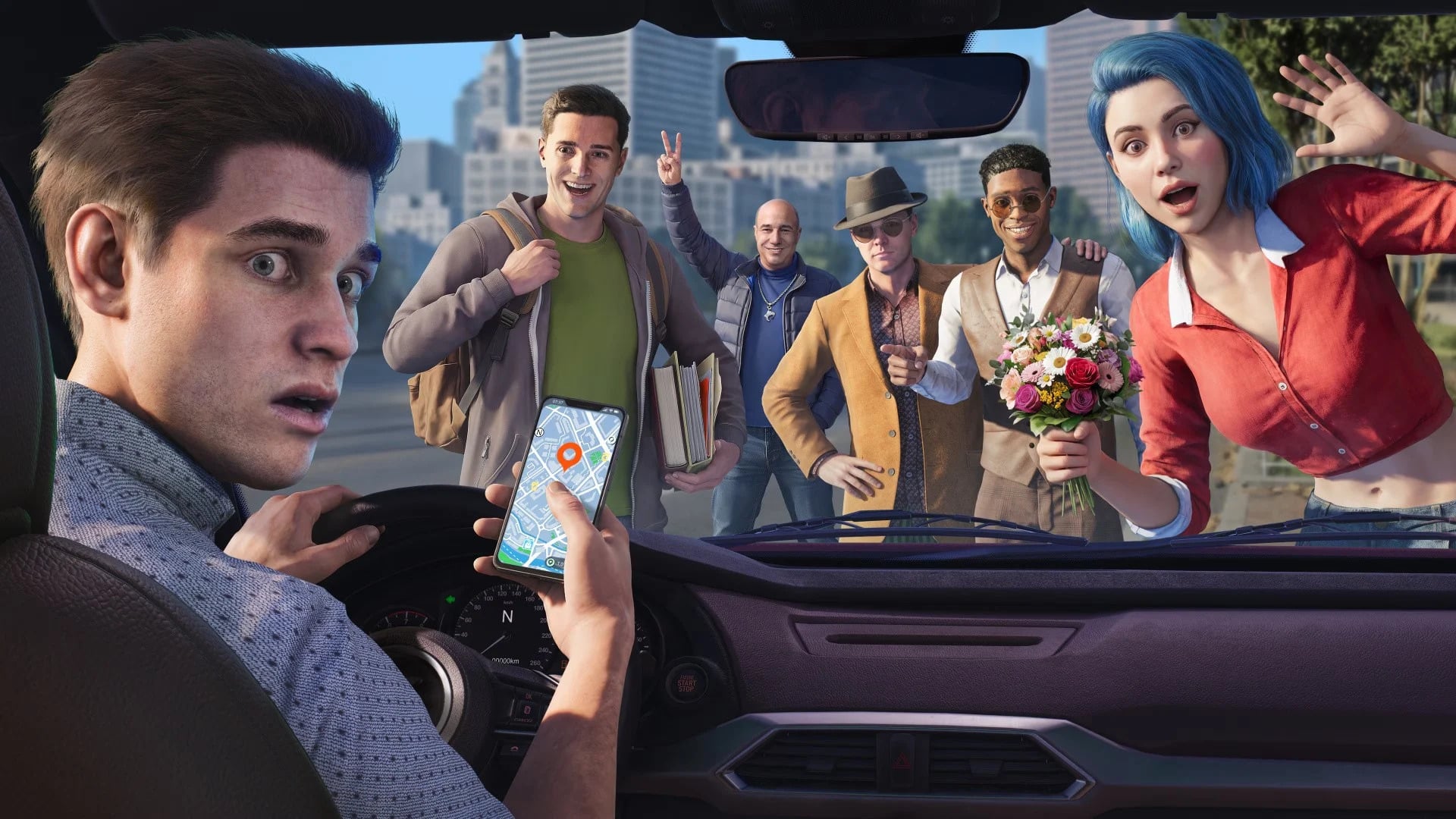
The gaming industry finds itself embroiled in yet another artificial intelligence controversy as Saber Interactive faces intense backlash over allegations that the studio replaced human writers with AI tools. The dispute centers around the newly announced game Rideshare Simulator, with a former lead writer claiming she was systematically pushed out in favor of generative AI technology. The situation has escalated dramatically after the company’s co-founder issued a response that many observers consider unprofessional and inflammatory.
The controversy erupted earlier this week when Stella Sacco, who previously served as a lead writer at Saber Interactive, shared her experience working on Rideshare Simulator. According to her account, the studio gradually replaced her work with content generated by AI tools like ChatGPT. Sacco further elaborated that her immediate supervisor attempted to resist pressure from senior executives who viewed generative AI as “an excellent marketing strategy.” Her testimony struck a nerve within the gaming community, where concerns about AI replacing creative professionals have been mounting for years.
Saber Interactive Issues Denial Amid Growing Backlash
In response to the mounting criticism following Rideshare Simulator’s announcement, Saber Interactive moved to address the allegations directly. Matthew Karch, co-founder of the Russian-based studio, spoke with PC Gamer to categorically deny the claims. “Neither Saber nor Unigine have replaced writers with AI on Rideshare or any other game,” Karch stated firmly. He further claimed that the company’s writing staff has actually “tripled since 2023,” suggesting the studio is investing more heavily in human talent rather than cutting positions. “The story of Rideshare was entirely written by real people,” Karch emphasized, attempting to put the matter to rest.
The controversy reflects a broader crisis of trust between game developers and their audiences regarding AI implementation. Over the past two years, numerous studios have faced criticism for using AI-generated content, from concept art to voice acting. The Writers Guild of America and SAG-AFTRA strikes in 2023 highlighted similar concerns in Hollywood, establishing new protections against AI replacement of creative workers. The gaming industry, however, lacks comparable union protections, leaving writers and artists particularly vulnerable to cost-cutting measures that leverage generative AI technology.
Executive’s Personal Attack on Former Employee Draws Sharp Criticism
While Karch’s initial response appeared measured and professional, his subsequent comments to This Week in Video Games took a dramatically different tone that has drawn widespread condemnation. When asked about Sacco’s allegations, Karch dismissively replied “Stella who?” before revealing he had used the AI assistant Claude to research her identity because he had never personally met her. He accused her of violating her confidentiality agreement and stated that she “was replaced by a more talented person and fired for various reasons a few months later.” Most controversially, Karch concluded: “From what I understand, she enjoys controversy even more than I do. Frankly, in hindsight, I would have been happy to replace her with an AI.”
The remark has been interpreted by many industry observers as both tone-deaf and vindictive, particularly given the context of allegations about AI replacing human workers. Critics argue that such statements from company leadership only serve to validate concerns about how executives view creative professionals as expendable. The gaming community on social media platforms has largely rallied behind Sacco, with many pointing out that Karch’s hostile response does little to address the underlying concerns about AI usage in game development.
The Ongoing Debate Over AI in Creative Industries
Sacco has responded to Karch’s comments through This Week in Video Games, alleging that the executive attacked her personally “because he didn’t want people to know that AI was being used in the game.” This back-and-forth has ensured that the controversy will likely continue to generate attention, potentially overshadowing Rideshare Simulator’s marketing campaign. The dispute also raises important questions about transparency in game development and whether studios should be required to disclose AI usage to consumers.
The broader implications of this controversy extend beyond a single studio or game. As AI tools become increasingly sophisticated and accessible, the gaming industry faces fundamental questions about the role of human creativity in entertainment production. Major publishers have expressed interest in leveraging AI for cost reduction, while developers and writers worry about job security and creative integrity. This tension shows no signs of resolution, and incidents like the Saber controversy serve as flashpoints in an industry-wide reckoning with transformative technology. Whether this particular dispute will prompt meaningful change in how studios communicate about AI usage remains to be seen, but it has undoubtedly added fuel to an already heated debate.
Expert Opinion: This incident reveals a critical disconnect between gaming industry leadership and the creative professionals they employ. Karch’s inflammatory response, regardless of the underlying facts, demonstrates how poorly some executives understand the current climate of anxiety surrounding AI in creative fields. Studios that fail to establish transparent policies about AI usage and treat employee concerns dismissively will likely face increasing reputational damage as consumers become more conscious of how their entertainment is produced.