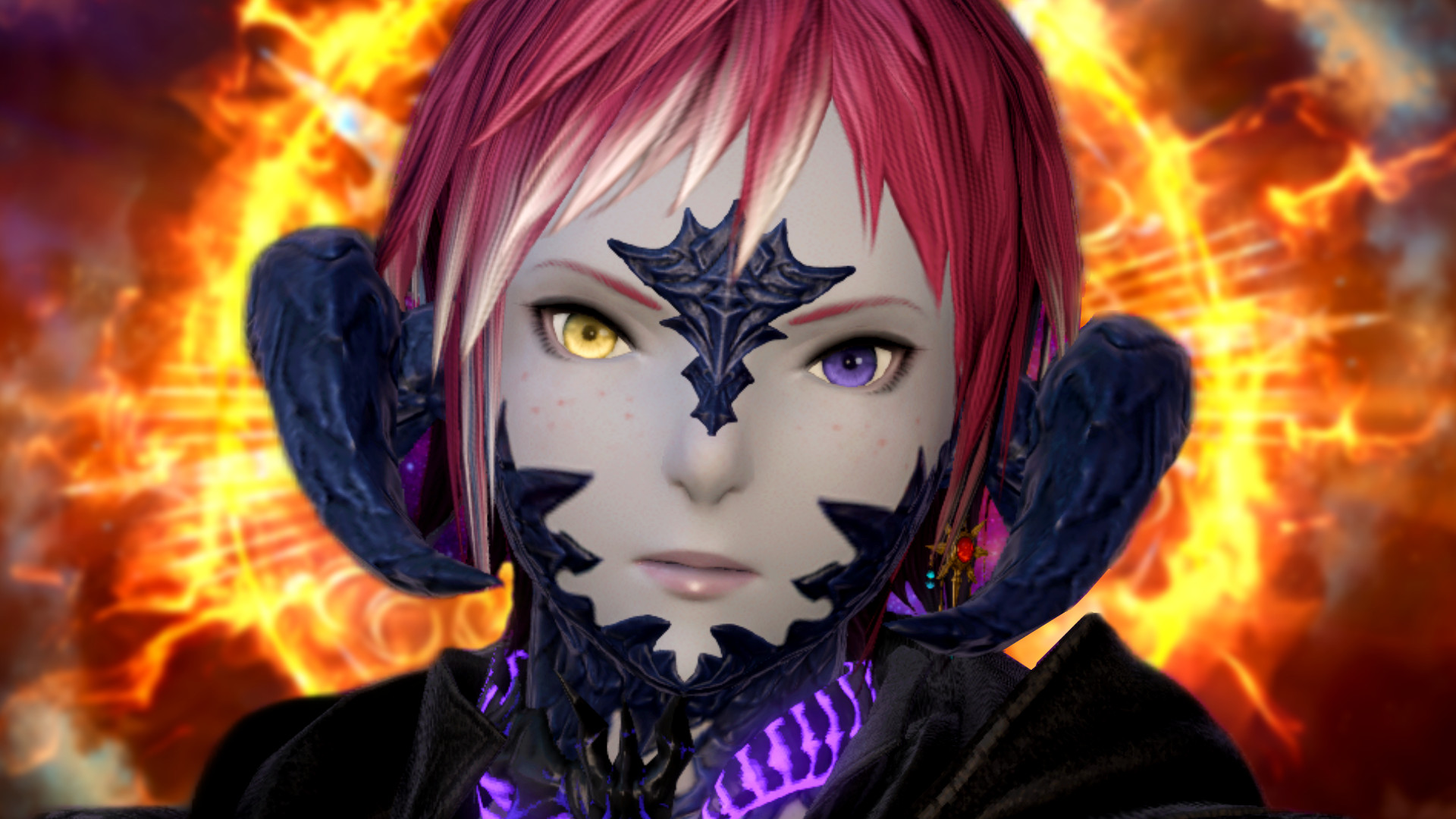
The opening act of Final Fantasy 14 stands as one of the most remarkable cautionary tales in video game history, a failure so catastrophic that it has been enshrined in gaming legend. What is now referred to as FF14 1.0—the only version of the massively multiplayer online role-playing game that players can no longer experience—collapsed under an avalanche of complaints that touched nearly every aspect of the game. From its sluggish combat mechanics and confusing class system to its notoriously awkward menu interfaces and punishing server lag, the original release in 2010 was a disaster of unprecedented proportions for Square Enix. Critics savaged the game, players abandoned it in droves, and the company’s stock price took a significant hit. The situation was so dire that Square Enix issued a formal apology to fans and suspended subscription fees indefinitely while they attempted to salvage what many considered an unsalvageable product.
What happened next, however, would become one of the greatest comeback stories in entertainment history. Rather than quietly shutting down the failed project and moving on, Square Enix made the bold decision to rebuild the entire game from the ground up. They brought in Naoki Yoshida, known affectionately to fans as “Yoshi-P,” a passionate MMO player himself who understood what the community wanted. His appointment marked the beginning of a transformation that would take years to complete but would ultimately result in one of the most beloved games ever created.
The Unprecedented Decision to Start Over
The destruction and rebirth of Final Fantasy 14 was dramatized within the game’s own narrative in a way that no other MMO has ever attempted. In November 2012, Square Enix orchestrated an in-game apocalyptic event where the dragon Bahamut emerged from the moon Dalamud and laid waste to the world of Eorzea. Players who were online during the final moments of version 1.0 witnessed the servers literally being destroyed within the game’s fiction, creating a poignant bridge between the old failure and the new beginning. This event, known as the Calamity, became the foundation for A Realm Reborn, the relaunched version that would debut in August 2013 to widespread critical acclaim.
The decision to incorporate the original game’s failure into the canonical storyline was a masterstroke that transformed shame into narrative strength. New players entering the game years later would learn about the Calamity as historical lore, never knowing that it represented a real-world corporate crisis. This transparency and creativity in addressing past mistakes set the tone for how Yoshida and his team would continue to operate: with honesty, humility, and an unwavering commitment to their player community. The approach stood in stark contrast to how many game companies handle failures, typically burying them and hoping players forget.
Defying Industry Conventions
What truly sets Final Fantasy 14 apart from its MMO competitors is its willingness to challenge long-standing genre conventions. Traditional MMORPGs often punish players for maintaining multiple characters or exploring different playstyles, but FF14 embraced flexibility by allowing a single character to master every job and class in the game. This seemingly simple design choice removed barriers that had frustrated MMO players for decades and made the game more accessible to newcomers while retaining depth for veterans. Additionally, the game featured an extensive main story questline that could be completed entirely solo, treating the narrative with the same respect given to single-player Final Fantasy titles.
The game’s approach to content updates has also been revolutionary. While many MMOs struggle with content droughts and broken promises, Yoshida’s team has maintained a remarkably consistent update schedule for over a decade. Major expansions like Heavensward, Stormblood, Shadowbringers, and Endwalker have each received critical acclaim, with Shadowbringers in particular being hailed as one of the greatest RPG stories ever told. The emotional depth and character development rival standalone narrative games, something rarely achieved in the MMO space. Today, Final Fantasy 14 boasts over 27 million registered players and has become the most profitable entry in the entire Final Fantasy franchise, proving that putting players first is not just good ethics—it’s good business.
Expert Opinion: Final Fantasy 14’s resurrection represents a paradigm shift in how game companies can approach failure. Rather than viewing a disastrous launch as terminal, Square Enix demonstrated that transparency, genuine community engagement, and willingness to make radical changes can transform catastrophe into triumph. This case study will likely influence game development philosophy for decades, particularly as live-service games become increasingly dominant in the industry.