Nintendo has officially released the enhanced version of Xenoblade Chronicles 2 for the Nintendo Switch 2, bringing one of the original console’s most beloved RPGs into the next generation with significant technical improvements. The new edition includes both the base game and the standalone expansion Torna – The Golden Country, offering players a comprehensive package that addresses many of the performance limitations that plagued the original 2017 release. After extensive testing across both titles, the upgrades in visuals, frame rate stability, loading times, and overall performance paint a compelling picture of what the Switch 2’s hardware can accomplish with legacy titles.
The original Xenoblade Chronicles 2 was a technical marvel for its time, pushing the Nintendo Switch hardware to its absolute limits. However, this ambition came at a cost, with the game notorious for its aggressive dynamic resolution scaling that could drop to as low as 368p in handheld mode during intense combat sequences. Frame rate inconsistencies were common, particularly in the sprawling open-world environments of Alrest, where the game would frequently struggle to maintain its 30fps target. These technical compromises, while understandable given the hardware constraints, were often cited as the game’s most significant drawback in an otherwise critically acclaimed experience.
Visual Enhancements and Resolution Improvements
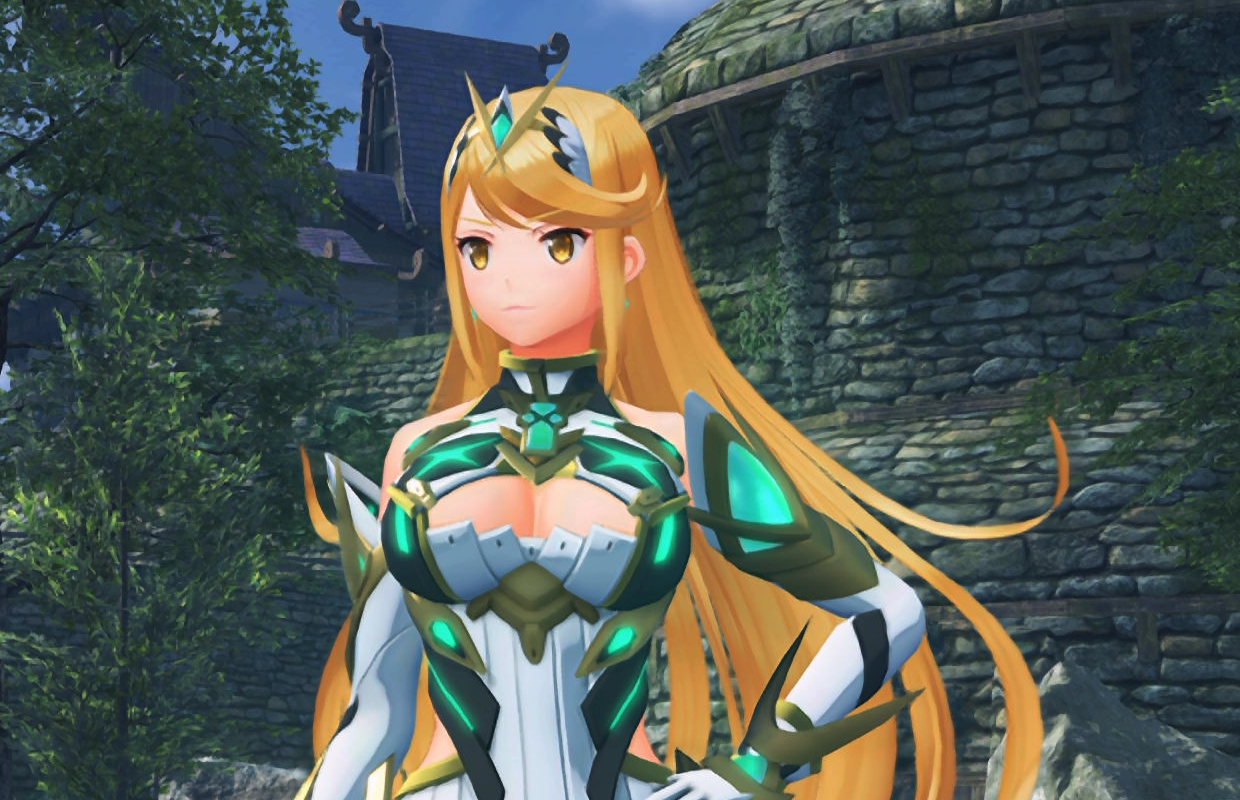
The Nintendo Switch 2 Edition delivers a dramatic visual overhaul that fundamentally transforms how players experience the world of Alrest. In docked mode, the game now maintains a stable native 1080p resolution throughout gameplay, a massive improvement over the original’s dynamic scaling that frequently dipped well below 720p. The difference is immediately apparent from the opening moments, with character models displaying crisp details that were previously obscured by the aggressive resolution drops. Rex, Pyra, and the extensive cast of Blades now showcase the intricate designs that developer Monolith Soft originally intended, with textures remaining sharp even during the most chaotic combat encounters.
Handheld mode sees equally impressive gains, with the game targeting and largely maintaining 720p resolution. This represents a night-and-day improvement over the original portable experience, where murky visuals often made text difficult to read and fine details nearly impossible to discern. The enhanced clarity extends to the game’s environments as well, with the biological landscapes of the various Titans displaying rich detail and improved draw distances. Anti-aliasing improvements help smooth jagged edges that were particularly noticeable on the original release, creating a presentation that finally does justice to the game’s ambitious art direction.
Boost Mode and Frame Rate Performance
Perhaps the most anticipated feature of the Switch 2 Edition is the implementation of Boost Mode, which pushes the game’s performance beyond what was previously possible. When activated, Xenoblade Chronicles 2 targets 60 frames per second, doubling the original’s 30fps cap. In practice, the game maintains this higher frame rate with remarkable consistency during exploration and standard combat. The fluidity transforms the real-time combat system, making chain attacks and blade combos feel significantly more responsive. The timing-based mechanics that define Xenoblade’s battle system benefit enormously from the reduced input latency and smoother animation interpolation.
However, Boost Mode does encounter some limitations during the game’s most demanding sequences. Large-scale battles featuring multiple enemies, extensive particle effects, and simultaneous blade summons can cause temporary dips into the 45-50fps range. These moments remain notably smoother than the original’s frequently stuttering 30fps cap, but players seeking a perfectly locked 60fps experience should temper expectations slightly. For those who prioritize stability over raw frame rate, a Quality Mode option maintains a rock-solid 30fps with enhanced visual features, including improved ambient occlusion and shadow quality that weren’t possible in the original release.
Loading Times and Quality of Life Improvements
The Nintendo Switch 2’s upgraded storage architecture delivers substantial loading time reductions that meaningfully improve the gameplay flow. Fast travel between locations, previously a 15-20 second wait, now completes in approximately 3-5 seconds. Initial game boot and save file loading see similar improvements, with the title screen appearing in roughly one-third of the original time. These enhancements prove particularly valuable given Xenoblade Chronicles 2’s structure, which encourages frequent fast travel between Titans and rest spots. The cumulative time savings across a 60-80 hour playthrough are considerable.
Torna – The Golden Country benefits equally from these technical improvements, with the expansion’s more refined combat system feeling exceptionally smooth at higher frame rates. The standalone story, set 500 years before the main game’s events, was already considered technically superior to the base game, and the Switch 2 enhancements widen that gap further. Both titles also receive improved audio quality, with the orchestral soundtrack given room to breathe through enhanced compression and dynamic range. For fans who experienced the original release, the Nintendo Switch 2 Edition represents the definitive way to experience Monolith Soft’s ambitious vision, while newcomers are treated to a technically accomplished version of one of the finest JRPGs of its generation.
Expert Opinion: The Xenoblade Chronicles 2 Nintendo Switch 2 Edition demonstrates Nintendo’s commitment to leveraging backward compatibility as more than mere preservation—it’s active enhancement. This release suggests that other technically ambitious Switch titles like Breath of the Wild and Xenoblade Chronicles 3 will likely receive similar treatment, potentially establishing a new standard for how legacy games are handled across console generations. For the JRPG genre specifically, this level of technical polish removes barriers that previously prevented some players from fully engaging with the game’s complex systems.