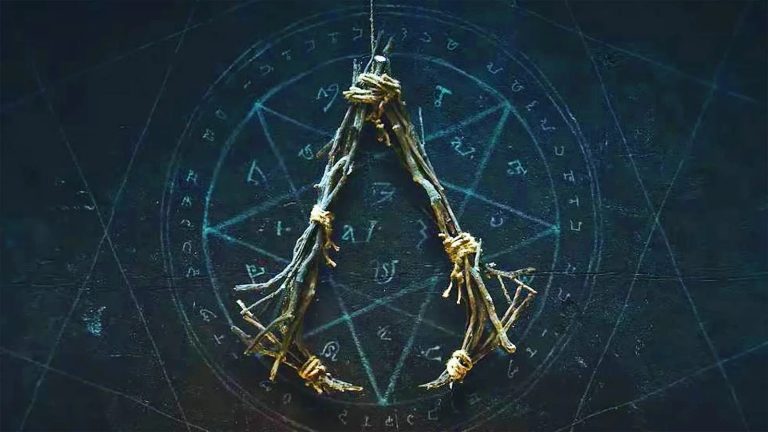

In a significant development that has stirred the gaming community, Tomb Raider Catalyst, the highly anticipated upcoming installment in the legendary franchise, has been delayed from its original 2027 release window to 2028. The announcement came from Jeffrey Gattis, Amazon’s head of gaming, revealing that developer Crystal Dynamics has pushed back the title to avoid releasing two major games in the same year. However, this delay carries an unprecedented and somewhat melancholic consequence: Tomb Raider Catalyst is now poised to become the first mainline game in the franchise’s nearly three-decade history to launch without a physical edition on PlayStation 5.
The Tomb Raider franchise, which debuted in 1996 on the original PlayStation, has enjoyed an intrinsic connection with Sony’s gaming platforms throughout its storied history. The series introduced players to the iconic archaeologist Lara Croft, who quickly became one of gaming’s most recognizable protagonists and a cultural phenomenon that transcended the medium into films, comics, and merchandise. For collectors and longtime fans who have amassed physical copies of every Tomb Raider release on PlayStation consoles, this development represents the end of an era that spans multiple console generations.
PlayStation’s Physical Media Shutdown Changes Everything
The root cause of this situation lies in Sony’s bombshell announcement from several weeks ago that physical game production for the PlayStation 5 platform will officially cease in January 2028. This policy applies universally to both first-party titles developed by Sony’s internal studios and third-party games from external publishers. The timing of Tomb Raider Catalyst’s delay places it squarely beyond this cutoff date, making it an unfortunate casualty of the industry’s broader shift toward digital distribution. The decision reflects changing consumer habits and the economic realities of physical media production, though it has been met with significant pushback from collectors and preservationists.
For dedicated collectors and fans of physical media, this news has been particularly difficult to process. Physical game editions have long held special significance in gaming culture, offering tangible ownership, collectible artwork, and the security of having a product that cannot be delisted or rendered inaccessible by server shutdowns. The Tomb Raider series, with its rich history and devoted fanbase, has always been a staple of physical game collections. Industry analysts note that the transition to all-digital gaming raises important questions about game preservation and consumer rights that have yet to be fully addressed by major platform holders.
Xbox Remains an Option for Physical Collectors
There is a silver lining for collectors who refuse to abandon physical media entirely. Until contradicted by future announcements, Tomb Raider Catalyst will still be available in physical format on Xbox Series X|S consoles. This creates an interesting dynamic where Microsoft’s platform becomes the default choice for collectors specifically interested in owning a tangible copy of the game. However, given Lara Croft’s deep historical ties to PlayStation—beginning with her 1996 debut that helped establish the original PlayStation as a gaming powerhouse—many longtime fans may find this alternative emotionally unsatisfying, even if it is technically viable.
In a poetic twist of fate, it appears that Tomb Raider Legacy of Atlantis, the remake of the original 1996 game, will be among the final titles to receive a physical release on PlayStation 5. Scheduled for February 12, 2027, just before the physical media cutoff, this remake serves as both a celebration of the franchise’s origins and a symbolic farewell to the physical format that has accompanied Lara Croft’s adventures since the beginning. This coincidence creates a meaningful bookend to the physical era, as the series effectively comes full circle with its final boxed PlayStation release being a reimagining of where it all started.
Fan Mobilization and Industry Response
The gaming community has not remained passive in response to Sony’s physical media decision. Vocal fan campaigns have emerged, urging PlayStation to reconsider its January 2028 deadline or at least make exceptions for major franchise releases like Tomb Raider Catalyst. Whether such grassroots efforts can influence Sony’s corporate strategy remains uncertain, but the passion displayed by collectors demonstrates the deep emotional attachment many gamers have to physical ownership. Amazon Games, now overseeing the Tomb Raider franchise, continues to focus its immediate attention on Legacy of Atlantis, which has been steadily revealing new details and building anticipation among fans. The coming year will likely prove decisive in determining whether any policy changes might spare Tomb Raider Catalyst from its current digital-only fate on PlayStation, or whether the franchise will simply adapt to the new all-digital landscape that increasingly defines modern gaming.
Expert Opinion: The transition away from physical media represents an irreversible industry shift driven by distribution economics and changing consumer preferences, with major publishers unlikely to resist platform holder decisions. However, the Tomb Raider situation highlights growing tensions between preservation advocates and digital-first strategies, potentially accelerating discussions about mandatory archival requirements for digital-only releases. Expect premium “collector’s editions” with physical memorabilia but digital game codes to become the new compromise solution for flagship franchise releases.